Buildings & Cultural environments

Stop for a moment and think about how much history you are surrounded by at any given time. In Falkenberg, there are many well-preserved buildings and areas. They have survived all these years and ready to share their stories with anyone willing to listen.

Falkenberg Church

Falkenberg Church

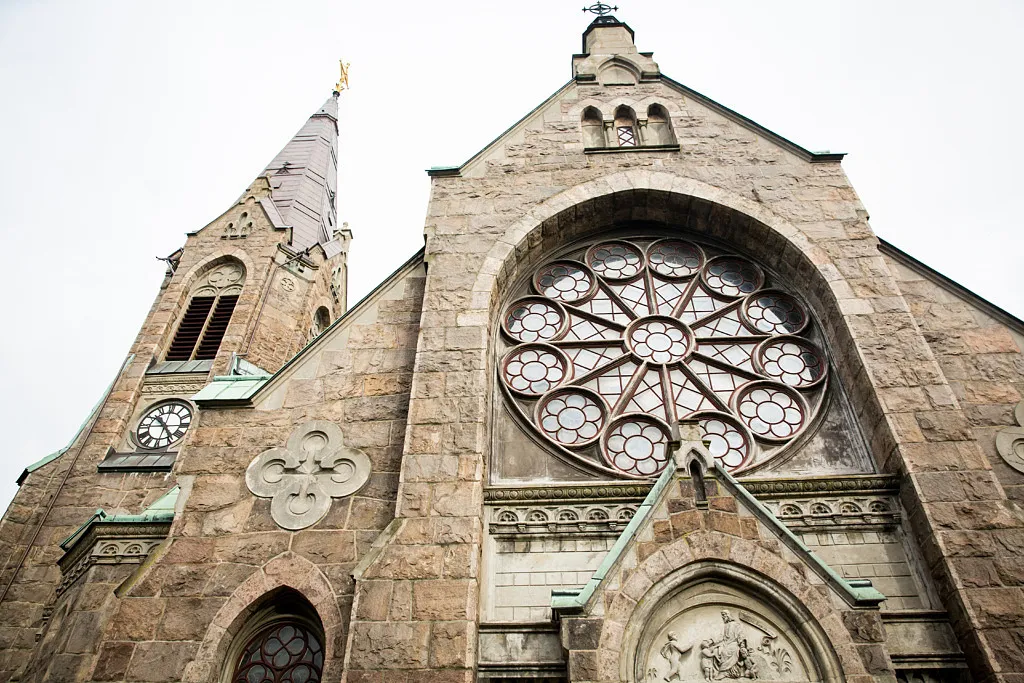
Falkenberg's Church is built in Neo-Gothic style and designed by Adrian C. Peterson. It has granite facades with concrete decorations and was consecrated on October 14, 1892. The church then replaced the older St Laurentii Church as the parish church. The church has undergone two interior renovations. In 1958, the interior was transformed according to the ideals of the time, with bright choir windows and simpler color schemes. In 2008, the church was renovated again and adapted to the needs of our time. It received a warmer color scheme, and according to the parish, they have tried to accommodate the different epochs together.
Knobesholms Tunnbinderi

Knobesholms Tunnbinderi

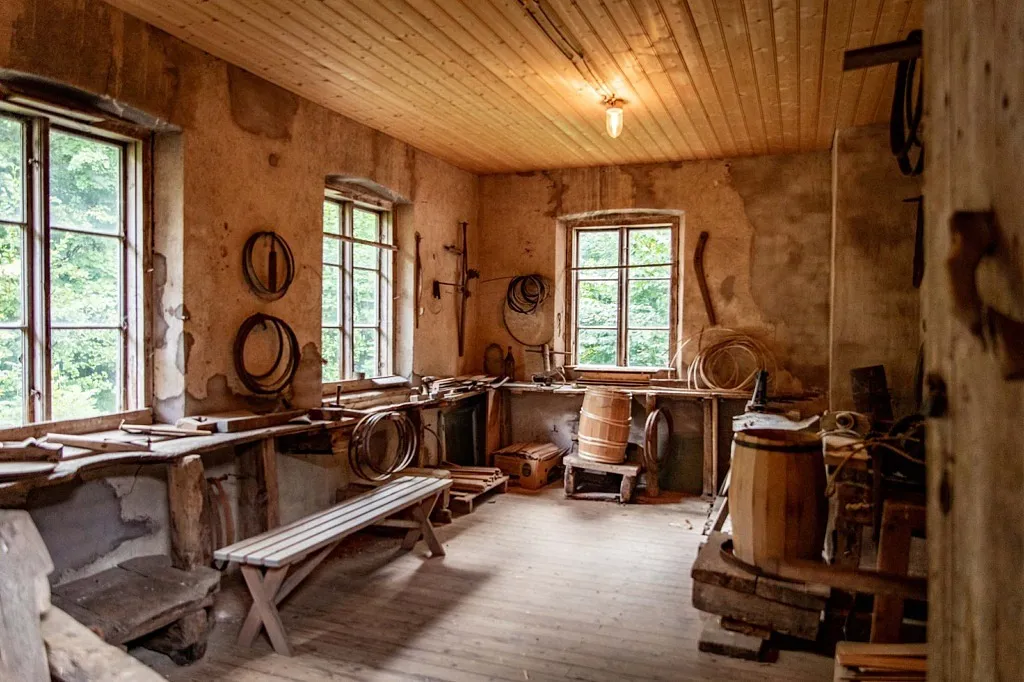
At Knobesholms Manor near the village of Asige, a cooperage was established in the late 1800s. Here, you can see what a small local industry once looked like. The cooperage used to produce butter tubs for the area's dairies. The factory has been restored, and during guided tours, you can see how the tubs were made. Open during the Ecomuseum days on the first weekend of August.
Sannagård

Sannagård

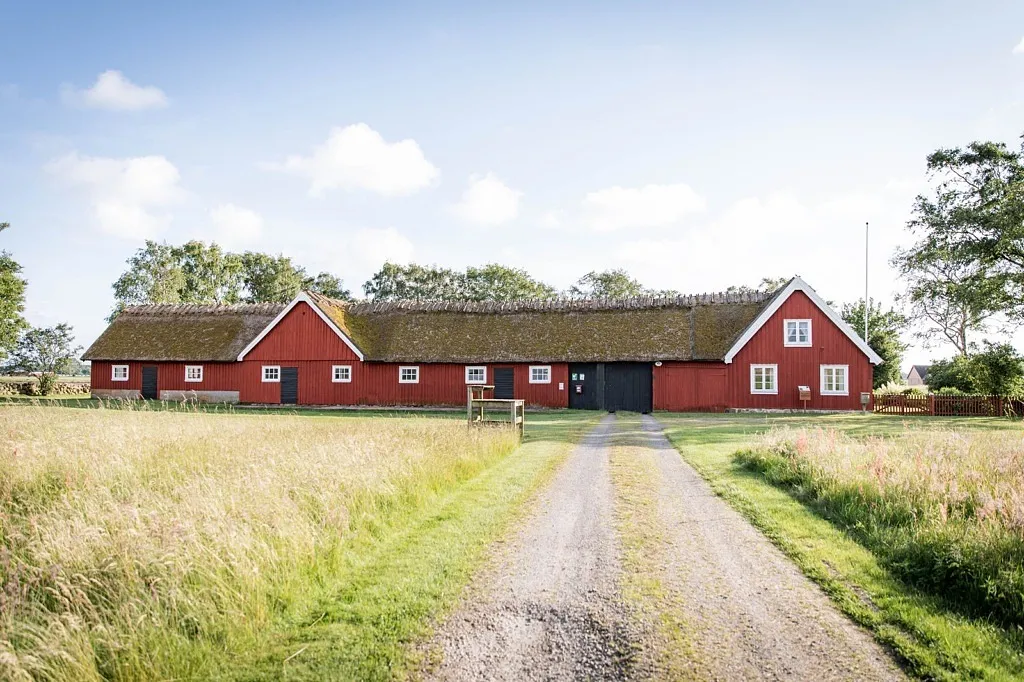
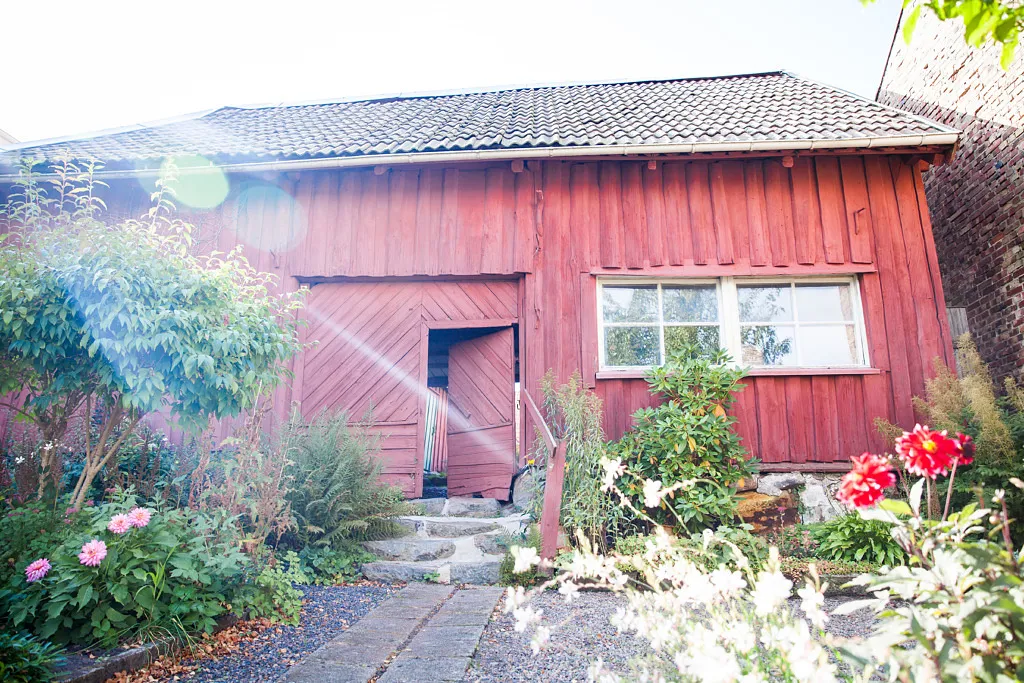
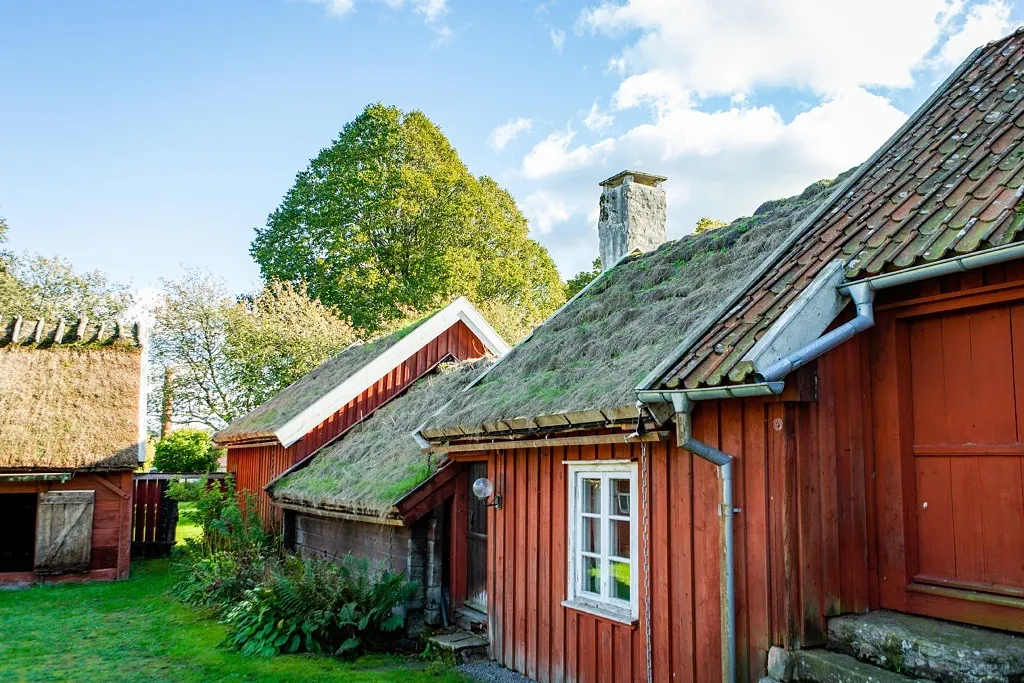
The Sannagård Heritage Farm is owned by the Vinberg-Ljungby Heritage Association. The farm consists of a traditional Halland farmhouse, outbuildings with a barn, stable, and a farmhand's quarters. In an archive building, there is a wealth of preserved materials such as newspaper clippings, school photos, confirmation photos, association archives, maps, and more. Open during the Ecomuseum days on the first weekend of August. In the outbuildings, there is a flea market on Saturdays in May, July, and August.  
Severin Nilssons ateljéstuga

Severin Nilssons ateljéstuga

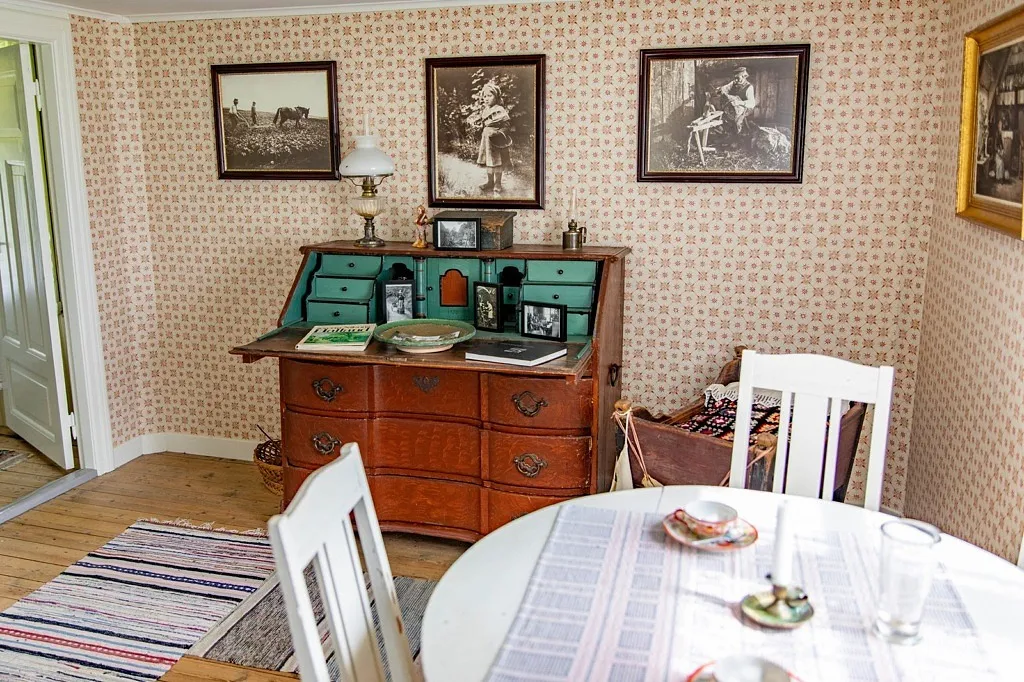
Severin Nilson was an artist from Asige who lived from 1846 to 1918. He dedicated most of his life to capturing the Ätradalen valley on canvas and through his camera. His studio cottage is preserved in its original condition, and inside, you can find photographs, paintings, and drawings. Open during the Ecomuseum days on the first weekend of August.
Törngrens krukmakeri

Törngrens krukmakeri

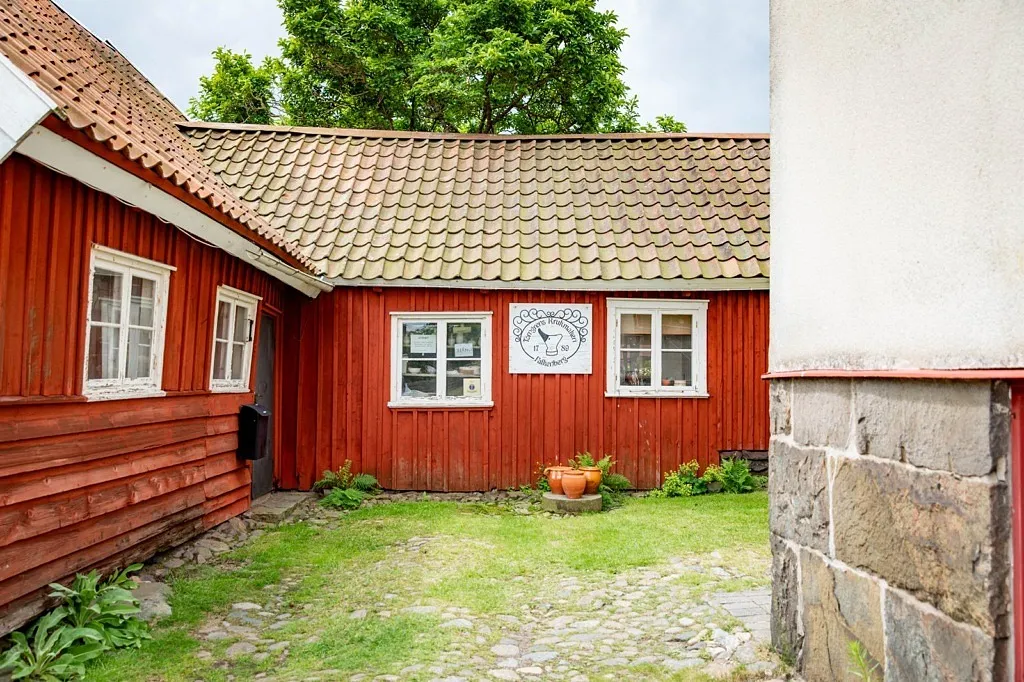
Törngren's pottery workshop was founded in 1789 and was run by seven generations of the Törngren family. The workshop truly represents a unique cultural heritage, and Falkenberg has had a strong tradition of pottery-making. During its heyday in the mid-1800s, 13 workshops were operating simultaneously. Only Törngren's survived into modern times, with production ceasing in 2014. Falkenberg's rise as a regional center for pottery in the 18th and 19th centuries was largely due to the abundant supply of earthenware clay along the banks of the Ätran River. The premises still exist in the old town but, unfortunately, are not open to visitors. However, feel free to walk by, as some items are displayed in the windows.
Tullbron

Tullbron

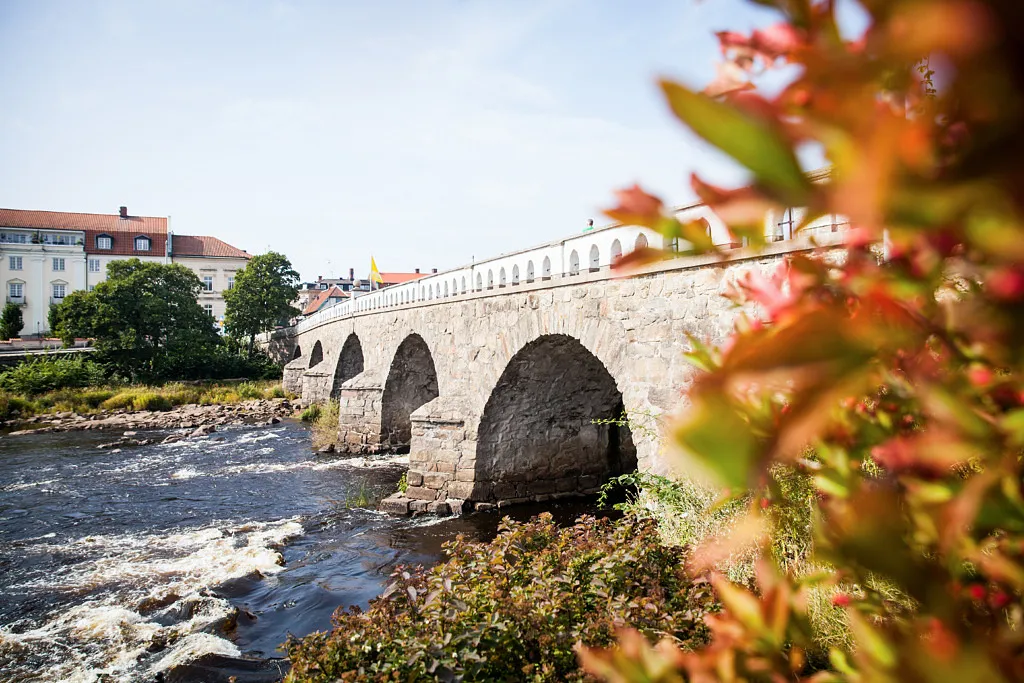
Towering over the river Ätran stands Sweden’s most beautiful stone bridge, steadfastly regardless of the water levels and swirling currents. Take a stroll over Falkenberg’s most famous construction. A must-see If you have a moment to spare during your visit to Falkenberg, head over to the bridge and look out over the Ätran river. Notice how roars, glitters and seems to be alive in its own way. Place your hands on the thick walls and feel the air of history that lies over this place. History Construction of Tullbron began in 1756 and was completed five years later. Prior to that, the only way of getting across the river was a simple wooden bridge over the Garvare Rapids. However, it was often damaged by ice and spring floods, and by the mid-18th century it was in terrible shape. The county governor Hummelhielm was therefore given a permit and funding from the king to construct a new bridge, of stone this time. The first architect commissioned for the task was Carl Hårleman, and following his death, Carl Cronstedt completed the drawings. The master mason Friedrich August Rex from Gothenburg was hired to carry out the construction of the bridge. How Tullbron got its name Up until 1914, travellers and to pay a toll to pass the bridge, which was how it got the name Tullbron - the Toll Bridge. The bridge toll was leased out, and the revenues went to maintaining the bridge and the lessee’s living expenses. In the 1940s, there were plans to expand the bridge to cope with the increase in traffic. However, the plans failed to materialise, and the bridge has been declared a listed structure since 1984.
Gustaf Bratt

Gustaf Bratt

Countless Falkenbergers and visitors have amused themselves at the Gustaf Bratt entertainment palace through the years. But when the house was built in 1861, its function was actually to serve as a granary for grain that was intended for export abroad. History of the house The granary was built by Anders G. Hellman, who was among the first to start selling grain to foreign countries. Near the close of the 19th century, a total of nine granaries were built in Falkenberg. In the mid-19th century, the Falkenbergers planted pine trees and erected sand traps to deal with the drifting sands that made it difficult to cultivate crops along the coastline. As the fields become more numerous and bigger, foreign exports of oats also increased. Between 1860 and 1865 alone, the amount nearly doubled. The harbour was also expanded, making it possible for bigger vessels to dock at Falkenberg. Gustaf Bratt takes over Following the end of World War II, the building’s granary days were over, and the second floor was rented out to an egg exporter named Gustaf Bratt. Bratt ran a business buying eggs from farmers in the countryside and transported them to the warehouse, where they were packed in wooden crates and shipped abroad. The property served as a warehouse from 1954 to 1969. Restaurant and night club At the end of the 60s, a new type of business was established in the building. The top floor was turned into a disco in 1969. A couple years later, the second floor was also incorporated into the disco, and it remains Sweden’s oldest operational night club to this day. There is also a lovely restaurant here today.
Stadshuset, Rådhustorget

Stadshuset, Rådhustorget

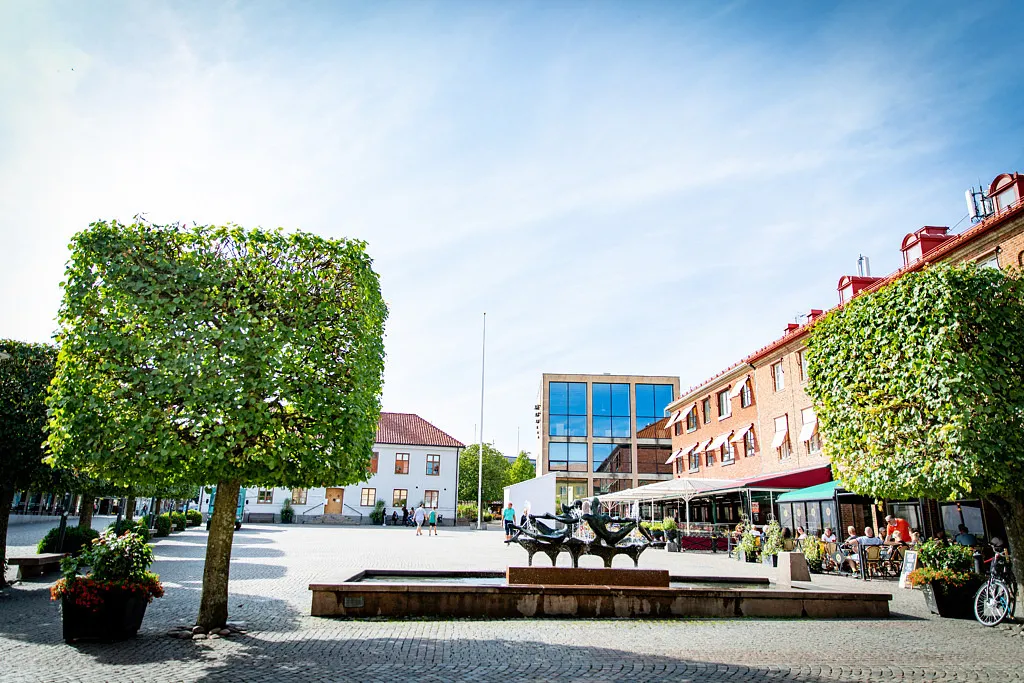
There are several interesting things to see on your way across Rådhustorget, the town hall square. Admire the fountain sculpture “Salami och Zulamith”, the civic centre, and the stone sculptures “Himlajord”, “Spegelbänk med solitär” and “Historisk kavalkad”. Interesting:   Stig Blomberg, Salami och Zulamith, 1965 And so the Milky Way was built, a magnificent star bridge that embraces the highest vault of heaven and the orbit of the zodiac and binds together the shores of the ocean of space. Finally, the lovers could meet again. Falkenberg Stadshus Stockholm architect Lennart Tham won the competition to design Falkenberg’s new civic centre, which was completed in 1959 and officially opened the following year. Tham’s gestalt-inspired patterns and his specially designed lamp-posts are in well-considered harmony with the older Rådhuset (town hall). Tore Heby, Himlajord Created in Bohus granite by Tore Heby (1933-2017), the stone sculpture “Himlajord” stands by the entrance to the civic centre. “Himlajord” is a song by Swedish singer Evert Taube about the adventurous life of Gustaf Löfgren, a resident of Falkenberg. He was born in 1860 and is said to have claimed that there were only two options in Falkenberg: becoming a sailor or a potter. He went to sea at the age of just 13 and eventually settled in Australia. When Evert Taube met him there in 1928, he was inspired to write the song, which the chimes on the south facade of the civic centre play every day at noon. Lone Larsen, Spegelbänk med solitär, 2000 Facing the civic centre’s severe south facade is the simple “Spegelbänk med solitär” (mirror bench with solitaire), executed in dark diabase from Skåne, by the artist Lone Larsen (born 1955). Erik Olsen, Historisk kavalkad, 1959 “Historisk kavalkad” (historical cavalcade) adorns the facade you pass on the way to the hall where the municipal executive meets. The work, in copper, depicts Falkenberg’s development starting from fishing, shipping and trade in the Middle Ages. The artist Erik Olsen (1901-1986) was a member of the Halmstad Group, considered pioneers in Swedish art history.
Falkenberg castle

Falkenberg castle

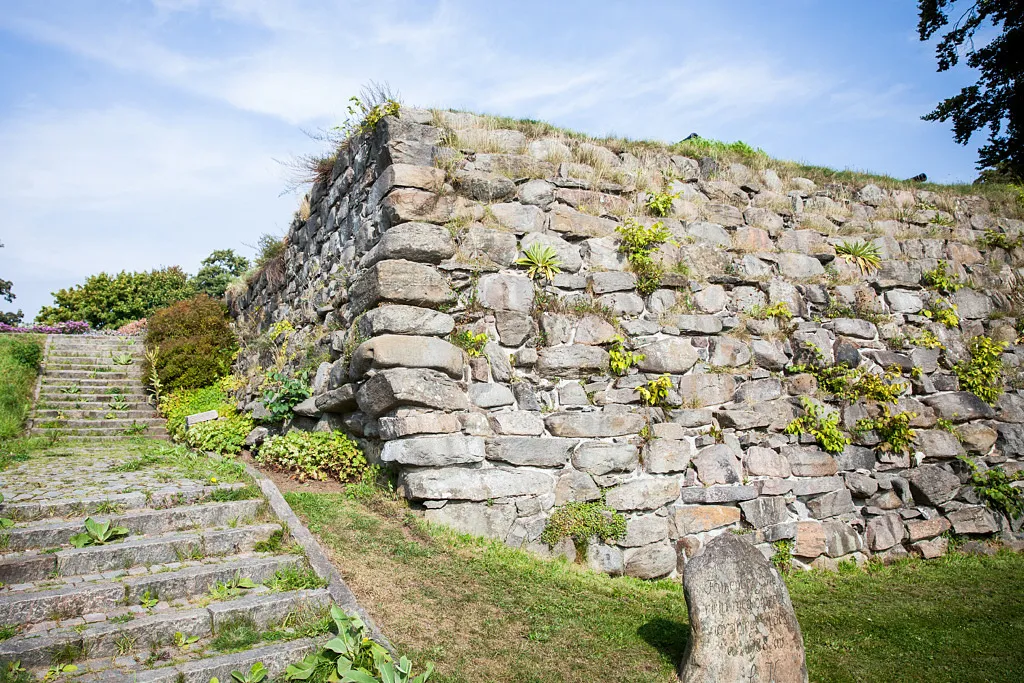
Today, Falkenberg is a calm and charming town, but that was not always the case. The town has experienced its share of wars, attacks and fires. The ruins of Falkenberg Castle stand today as evidence of the town’s dramatic history. The castle of the Danes Near Tullbron’s eastern bastion lie the ruins of the castle called Falkenberg. It was built near the end of the 13th century, right by the river’s last stretch of rapids before flowing out to the North Sea. At the time, parts of Halland belonged to Denmark. For many years, the castle served as the Danish king’s northern outpost. The castle came under siege several times and was finally razed by the peasant army of the Swedish rebel leader Engelbrekt in 1434. Only ruins remain For centuries, the castle ruins and defence ramparts around the castle were left alone, but in connection with the construction of Tullbron in the 18th century, the builders recovered stones from the ruins for building materials. In the 1880s, the Mid-Halland Railway passed right over the castle. As the land on which the railway tracks were being built needed to be flat, part of the castle was demolished. What remains today is the basement of a square tower that constituted the most important building of a larger stronghold. The legend of the Ätra Maiden The story goes that when the castle was razed, there was a maiden - later known as the Ätra Maiden - hiding with the forgotten treasures in an underground hallway. Unbeknownst to the Swedish army, she was trapped down there as the collapsing walls sealed her in. It is said that a rooster now guards the treasures, turning them invisible to anyone searching for them. But, if ever Falkenberg should be in peril once more, the rooster will crow and the maiden will wake from her slumber, revealing the treasure to the people of Falkenberg.
Hindströmsgården

Hindströmsgården

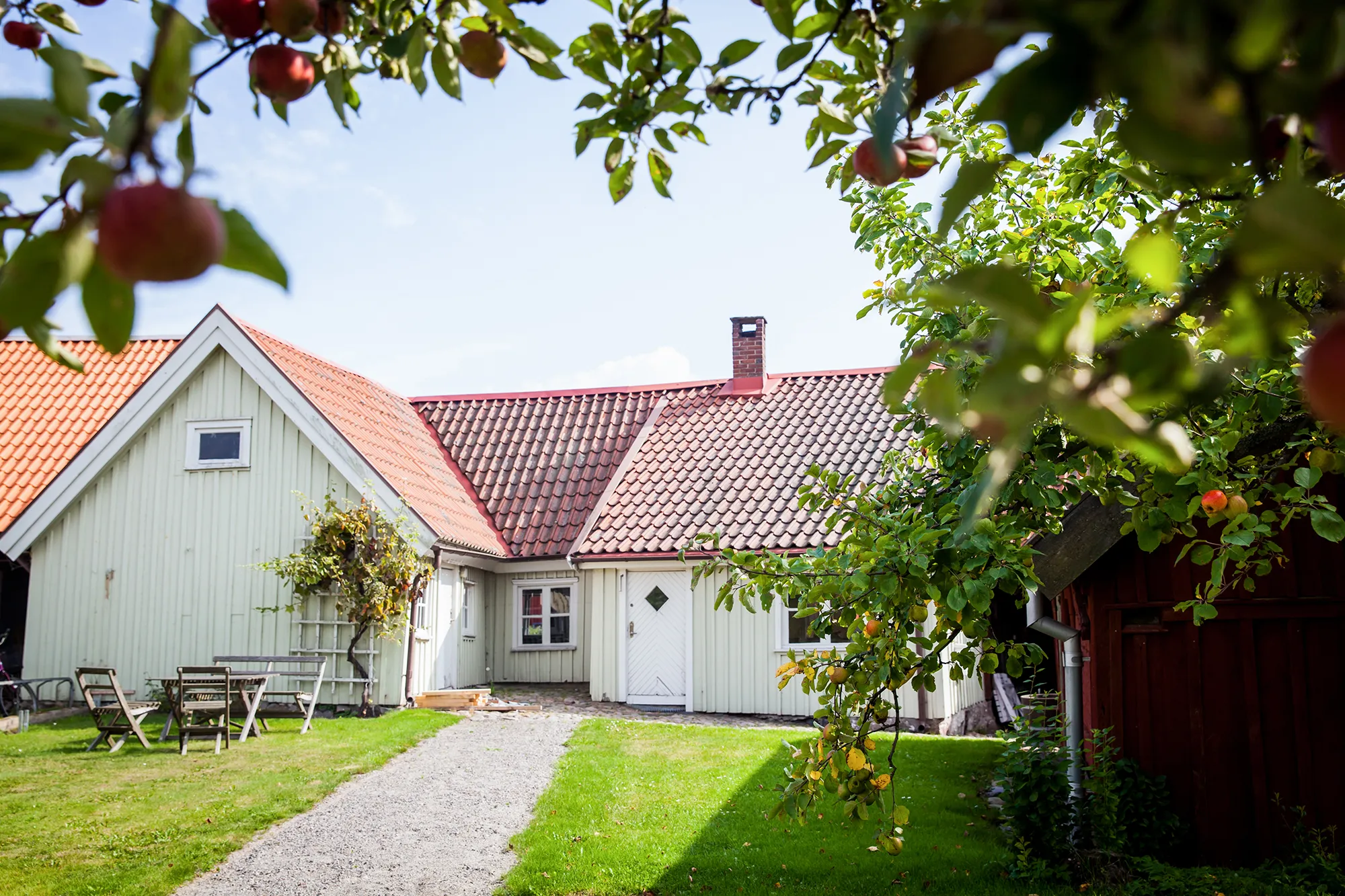
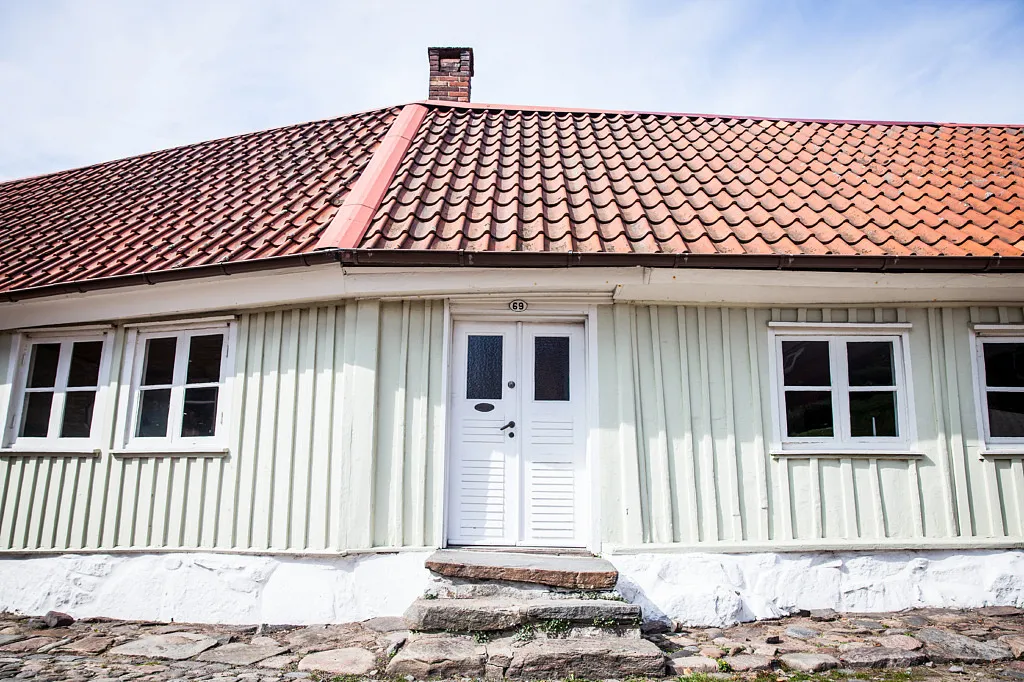
The Hindström farm is the town’s oldest wooden house and has been preserved as a museum. The farmhouse was likely built in the 18th century and has survived all the fires that have ravaged Falkenberg since then. The most charming house on Storgatan Walking along Storgatan, you will notice how the small green wooden house follows the winding street. No one knows when exactly it was built, but we can glean from 18th century census registers that an elderly retired soldier, Julius Wintzen, lived there at the time. The house tells a story The farm got its name from a stove maker, Elof Hindström, who bought half of the farm in 1897. Prior to that, it was simply called “the 69er” in reference to its street address. For a long time, the house remained in the same state as when it was originally built. In the early 20th century, it still lacked running water and electricity, for instance; food was cooked on a tripod over an open fireplace, and the floor was tiled with brick and cobblestone. Preserved as a museum In 1969, Falkenberg Municipality bought the house, which is now part of Falkenberg Museum. The house is used as part of the museum’s school-related activities, but it is also a stop on several city tours.
S:t Laurentii Kyrka

S:t Laurentii Kyrka

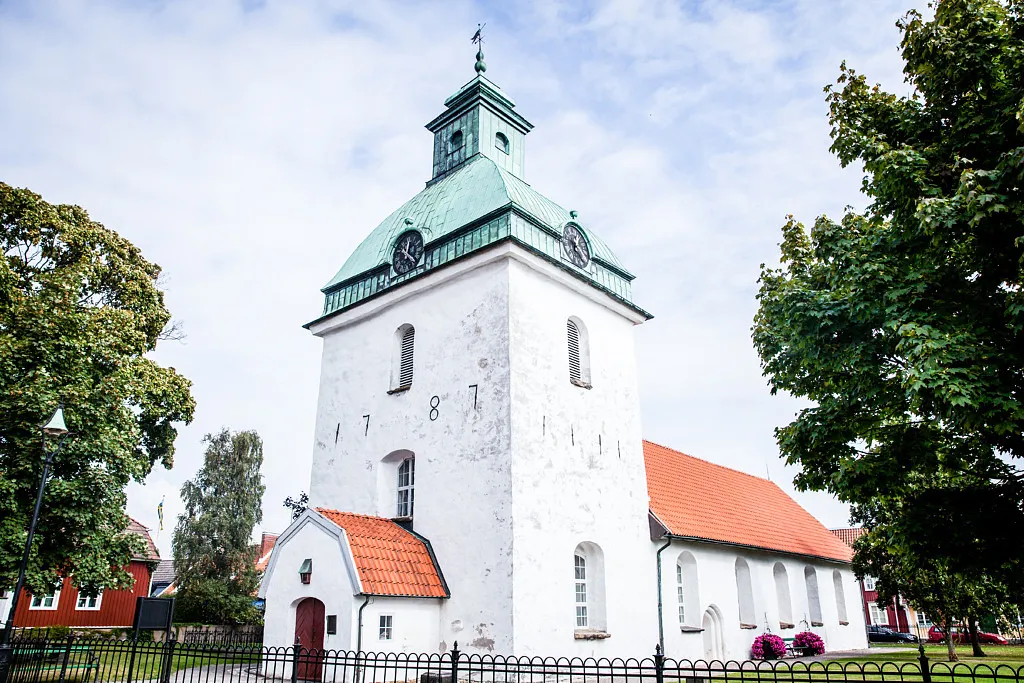
The Church of St. Laurentii is one of the oldest buildings in Falkenberg and has a fascinating history. It is a very popular church for baptisms and weddings. Dating back to the Middle Ages The oldest parts of the church were built in the 14th century, and its thick walls indicate that it was intended to serve as a bastion against invaders. During the wars fought over the course of the 16th century, the church was razed but eventually rebuilt. The tower was added in the 18th century. The church became a cinema When the new church was built in 1892, all religious functions were moved from the Church of St. Laurentii - which had been the main church of the local area for more than 500 years - to the new one. The old church was subsequently used as a gymnasium, tennis court, wrestling ring and cinema. Following extensive renovations in the 1920s, it was once again put back into use as a church. During the renovations, the builders discovered beautiful murals from the 16th century and painted ceilings from the 18th century.
Falkmanska Huset

Falkmanska Huset

Falkmanska is, together with Värdshuset Hwitan (Storgatan 24), Falkenberg's oldest house. The old inn was built by Sören Sörensson, later mayor, whose son Hans Falkman has given the building its name, Falkmanska. The oldest in Falkenberg Falkmanska Huset - or ‘Falkmanska’ - is located in the Old Town and is one of the oldest buildings in Falkenberg. It was built in the early 18th century by Sören Sörensson, who would later become mayor of the town. The building is named after his son, Hans Falkman. The old town inn At the time, the population of Falkenberg only numbered 450 or so. The fact that people still decided to establish inns and taverns in Falkenberg was likely due to competition from the neighbouring towns of Halmstad and Varberg, both of which posed the risk of gradually wiping Falkenberg off the map entirely.
Sjöbergs Laxrökargård

Sjöbergs Laxrökargård

Sjöbergs Laxrökargård was in operation for nearly a hundred years smoking fish and meat. If you get really close to the old wooden facades, you can still detect the smell in the walls. A farm with history The Sjöberg farm is the only urban farm in Falkenberg that remains fully preserved with all its buildings. The long and narrow plot is said to have been inhabited at least since the end of the 18th century. The farm is located adjacent to Storgatan, which dates back to medieval times. It has kept its original form with the main house facing towards the street, as well as an enclosed courtyard that is separated from the farm plot by an out-building. This was how most of the town’s farms looked during the 18th century. Smokehouse for 100 years The name Sjöbergs laxrökargård (Sjöberg’s Salmon Smoking Farm) stems from the Sjöberg family, who bought the farm in the 1830s and smoked salmon here from 1857 to 1955. Agricultural operations at the farm shut down in 1888, when they decided to invest all their efforts on salmon smoking. The smokehouse is located further down the property, near Ätran. If you take a peek inside, you can still see the fireplace where they burned juniper twigs and wood shavings to produce the smoke that gave the fish its distinctive taste. Smoking the salmon was also a way of preserving it. Walking around the town in those days, you would be able to smell the juniper twigs and smoke bellowing from the smokehouse. Preserved for the future In 1971, the municipality bought the farm from its owner at the time, Hildur Borgström. You can just barely spot the façade of the smokehouse from Hamngatan. The building will be renovated in spring 2017 and is not open to visitors.
Falkenbergs Varmbadhus

Falkenbergs Varmbadhus

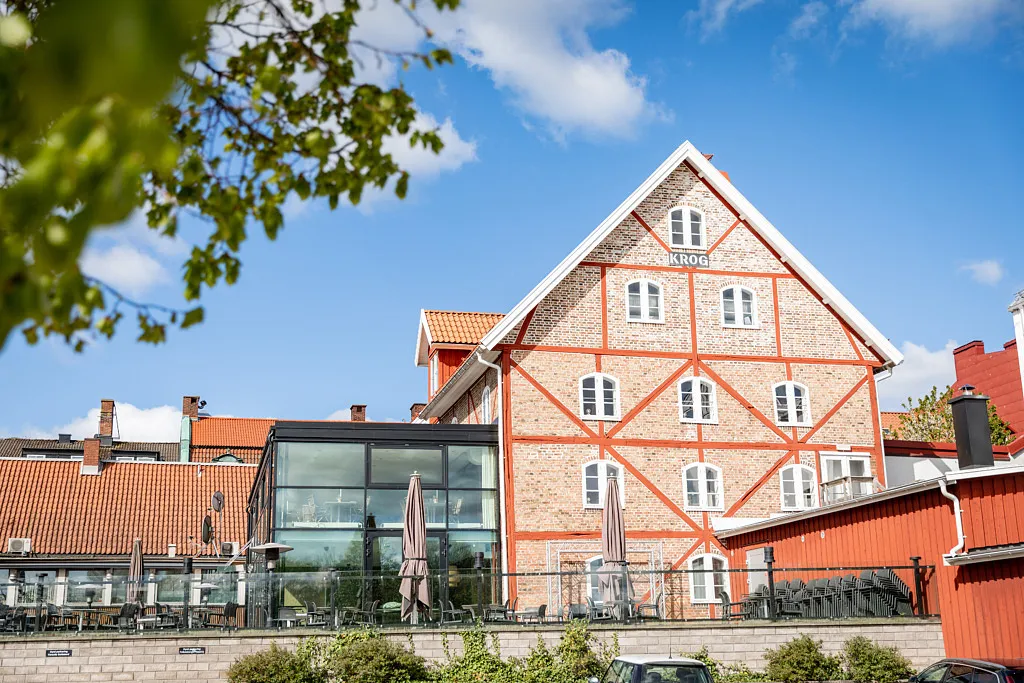
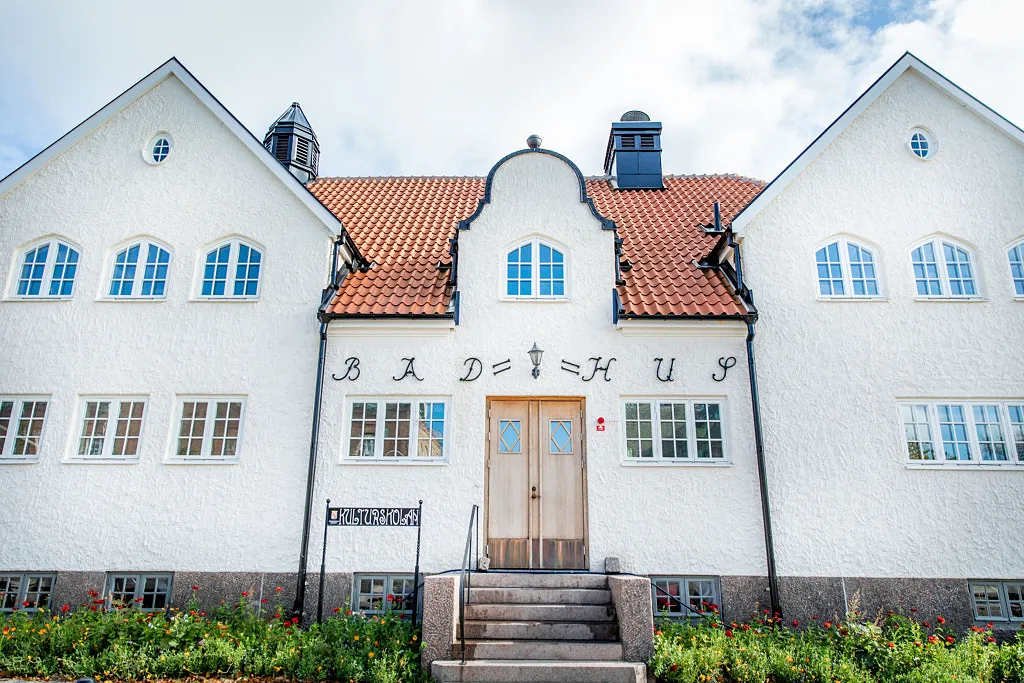
The old hot-bath house in Falkenberg is a beautiful building, with the beautiful exterior is the same as when the building was first constructed in the 1910s. A bathhouse and sauna Falkenbergs Varmbadhus opened to the public in 1915. It was a place where the local townspeople could go to wash and relax in the sauna. During the mid-19th century, an understanding began to emerge that cleanliness, clean drinking water and waste disposal helped prevent disease, which resulted in the building of many bathhouses during this period. Falkenberg’s first spa The bathhouse was open on weekdays, and visitors could sign up for different treatments such as a bath, sauna, soap massage bath and an electric light bath. According to the bathhouse’s brochure from 1915, the “cheap bath” included getting undressed and dressed under the platform, warming up in the sauna, washing and showering/bathing. Visitors were allowed to remain in the bath for an hour at most, and the whole procedure would put them back 35 öre (SEK 0.35). New bathhouse When Klitterbadet was converted into an indoor bathhouse in 1983, the business shut down. The house was turned into a cultural school, and the old basin now functions as an orchestra stage. On the outside, however, the house looks exactly as it did originally.
Malt Oast in Åhs

Malt Oast in Åhs

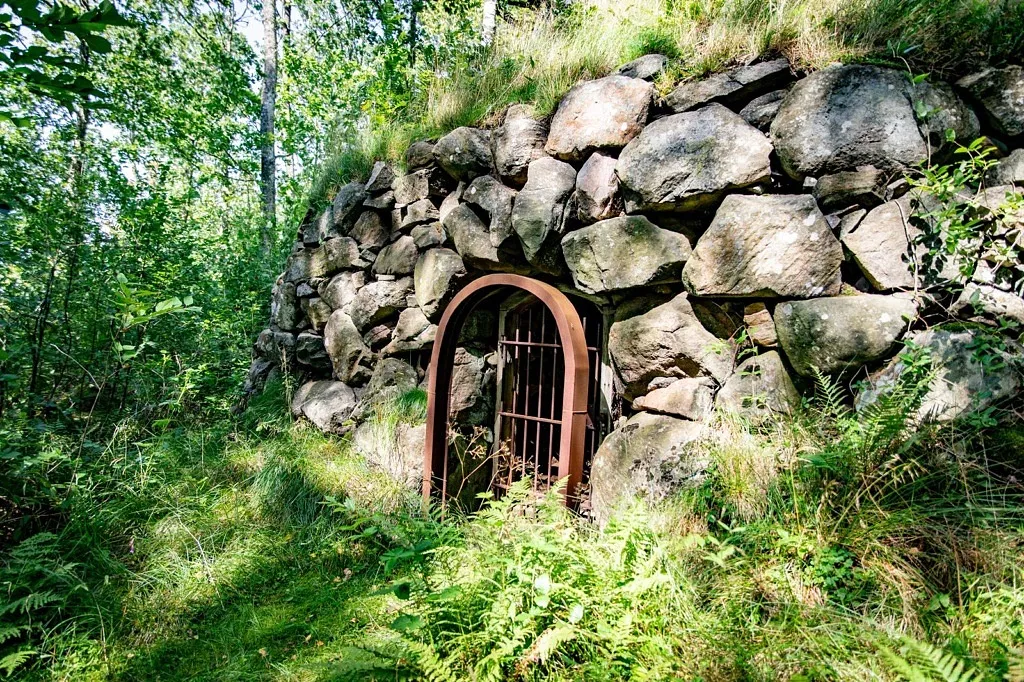
At a height in Vessigebro with a strikingly beautiful view is a well-preserved malt oast. Perhaps you do not know what a malt oast is. That is not so strange as there are not many of them left in existence. In the old agricultural community, people made their own beer. That required malt. It was smoked and dried here in the malt oast. Visit the Malt Oast in Åhs Take a trip here and learn more about the old time agricultural community. There is a lovely place to sit with tables and benches if you want to bring along your own picnic. The malt oast is made of stone, and inside you will find a large oven called a galt. You can see it through the grille at the opening. When you approach, a lamp turns on inside. Next to the malt oast, there is a painting by Vessigebro artist Alf Johannes, where you can see some of the most important stages in the processes and read about how it all came about. This is Where the Beer Got its Flavour and Colour After Christmas and for a few months onward, it’s time for the townsfolk to drive out to the oast for the malting of grain for the beer. First the grain is soaked, then it is heated so that it begins to sprout. The grains is stirred each day in order to obtain an even amount of sprouting. Once the sprouting is done, the malt is spread out on the galt’s malting frame and the oven is fired up. Smoke from juniper branches gave the malt both flavour and colour. The fire burned around the clock and a fire controller had to place straw into the oast. This sounds a bit unbelievable for us today, but back in the day, beer represented approximately a third of one’s entire nutritional intake. So you can understand how important these establishments were. N.B.! Do not allow children to climb on the oast since stone may fall down. Follow this sign: Ekomuseum Nedre Ätradalen.
Björkekullen

Björkekullen

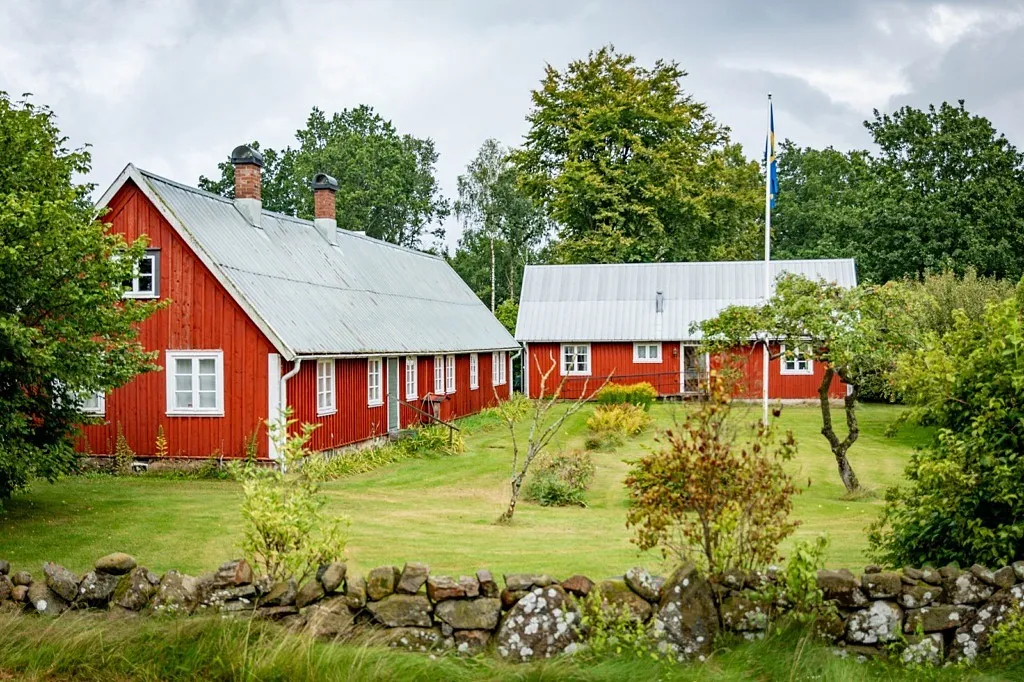
Want to experience a place that feels like it’s been plucked from an Astrid Lindgren story? You know, the classic Swedish farmland vista. A red croft cottage, a roundpole fence and a gravel path warmed by the summer sun, all surrounded by the purest green. Then pack a picnic basket and get yourself down to the Björkekullen nature reserve. A great place for curious types Björkekullen is an old croft cottage where you can walk around and check out the buildings and the farmland. The ground here is very stony and generations of farmers have created an imposing system of roundpole fences, terraces and cairns here. We usually start our trips to Björkekullen by walking around the houses where there’s plenty to see and talk about: what the functions of the different buildings were and how tough it must have been building up the large stone walls. Take a dip Follow the gravel path down towards Björkasjö lake and you will reach a delightful little swimming hole with a sandy bottom. You can also barbecue here in designated areas and we usually take the time to fika here. A longer hike If you want, you can walk around the entirety of Björkasjö Lake. The 5.5 km lakeside loop takes in the system of hiking trails in Åkulla beech forest. This path is not buggy-friendly and is only suitable for children aged 7 or older. We made it round with kids in around two hours. Björkekullen is a great destination all year round, but is perhaps best in summer if you fancy taking a dip in the lake.
Watermill in Axtorna

Watermill in Axtorna

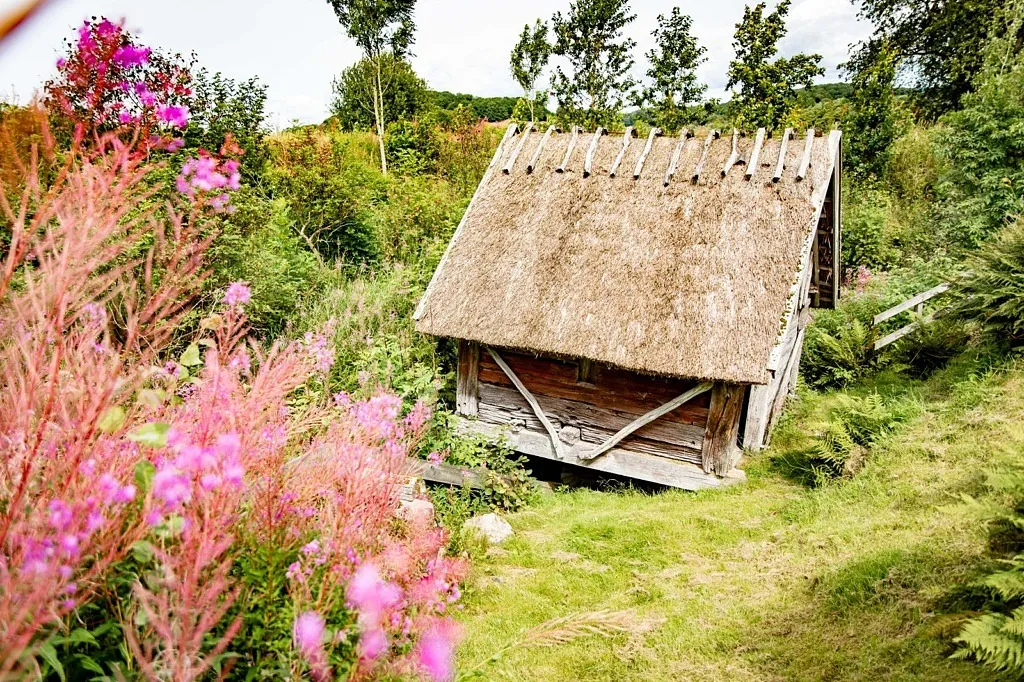
This little house is where the farms in the area ground their flour. 200 years ago, it was necessary to carry out the entire process oneself, from cultivation and refining to storage and preparation. Bring your children along on a pleasant little excursion to this historic track. Water Power Grinds the Flour In times past, each town had its own water mill. The mills could make use of water power, even in streams, in that they had a horizontal water wheel and were built over the streams. In order to get enough water to drive the mill, the stream was dammed up and the water was released on those days when milling took place. The watermill in Axtorna is well preserved and about 200 years old. A new thatch roof was installed at the beginning of the 2000s. In all other respects, everything is original. You are welcome to go in and have a look!
Kärnebygds Mill and Saw

Kärnebygds Mill and Saw

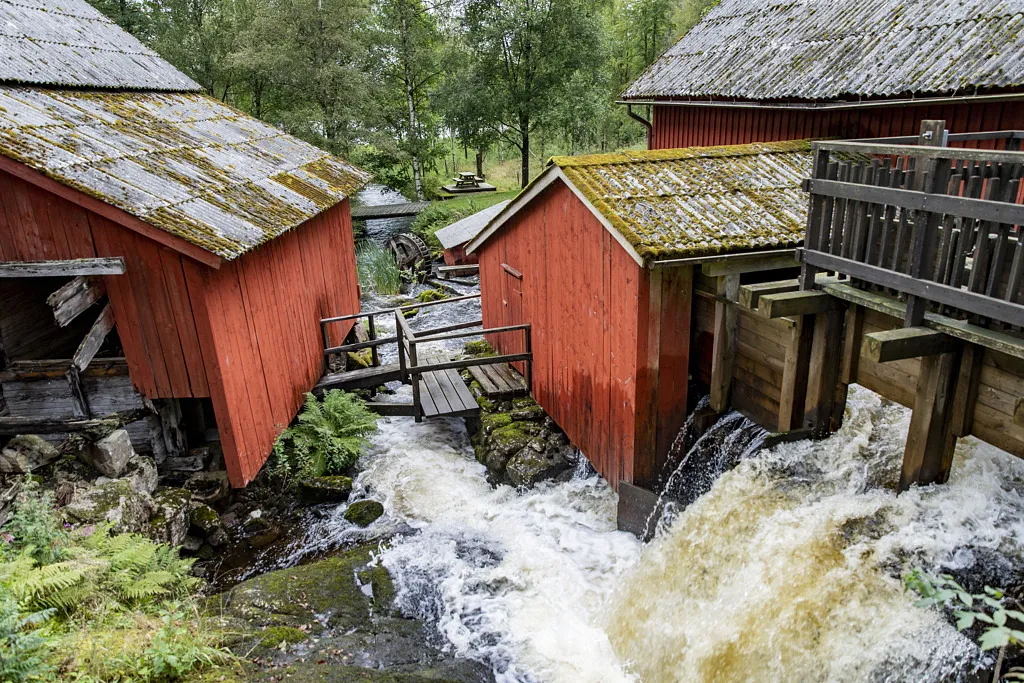
On the shore of beautiful Lake Tjärnesjön, there is a well preserved mill environment from the 18th century. The location is well worth a stop with its exhibition in the buildings and for a walk through its picturesque surroundings. A Location Rich in History The Kärnebygd mill was established some time at the beginning of the 18th century, and this is where grain would be milled for a fee. The saw arrived some hundred years later. The mill was run by a large mill wheel, and you can go in to have a look at both the mill and the saw. In 1914, an electrical generator was installed, which was run by the saw turbines. Furthermore, it was at this time that the buildings took their current form. The operation was discontinued in the 1960s. Pay a Visit Here you will find tables and benches where you can sit and have a coffee break, as well as some beautiful nature through which you can take a walk. The buildings are open and there is more to read in an exhibit. Right next to this, you will find Viktors Affärshus with a farm store and accommodations.
Flak tower at Askome

Flak tower at Askome

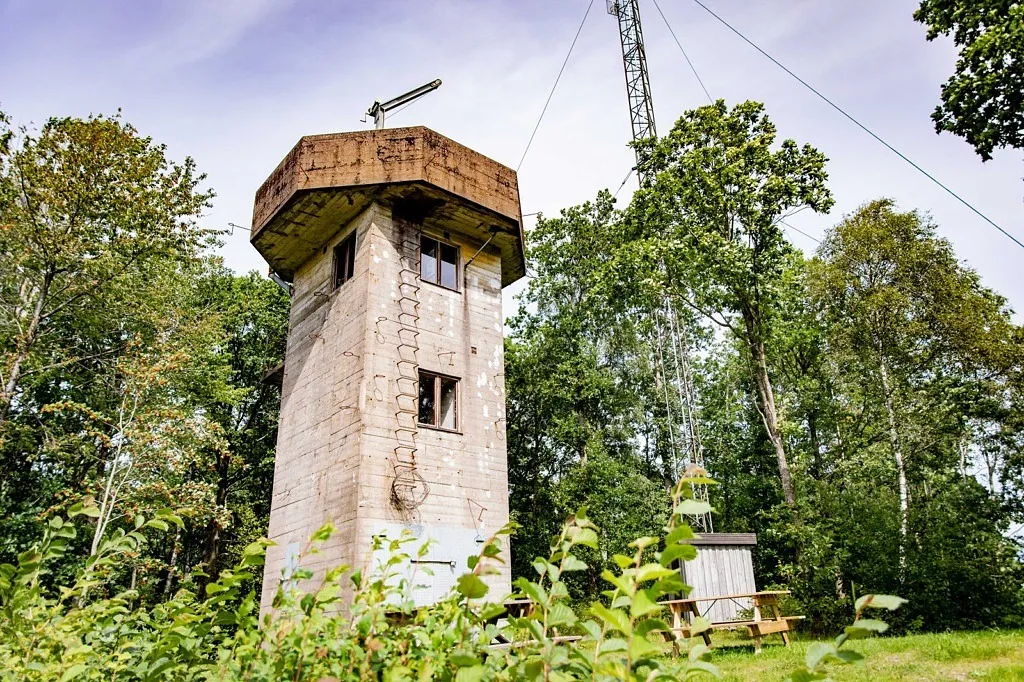
War planes and bomb attacks over Falkenberg seem like remote concerns today, but during the Second World War, the threat loomed. The Askome Flak Tower still scouts out over the area and reminds us of those worrisome time. Reminder of the War Years During the Second World War, many flak towers were built in Sweden in order to protect vital societal functions. The tower in Askome was erected in order to protect the Ätrafors hydroelectric power station from bombing raids. Most of the towers have now been demolished, but the Askome Heritage Association has taken this tower over from the Fortifications Administration to preserve it for the future. Pay a Visit Parking and signs can be found at the road. It is a short walk up to the tower where you will find a fantastic view and a spot with tables and benches for a coffee break.
Larsagården

Larsagården

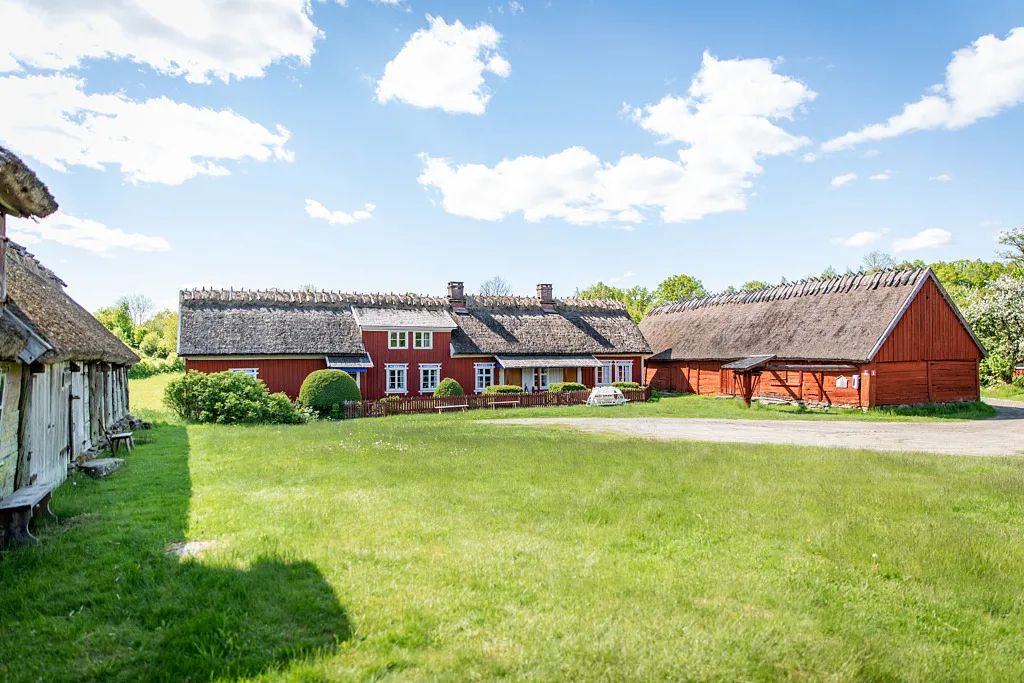
Neighbour to Katrineberg Folk High School and right up along the road between Falkenberg and Vessigebro, you will find Larsagården. Initially, the farm was in Köinge, but was moved during the 1950s to its current location. Larsagården consists of two estates built in such a way that they form a square with a common courtyard. The older residential half is a log cabin from the 1750s. The outbuildings are from the same period while the newer residential half is from the 1880s.
Nydala Mill

Nydala Mill

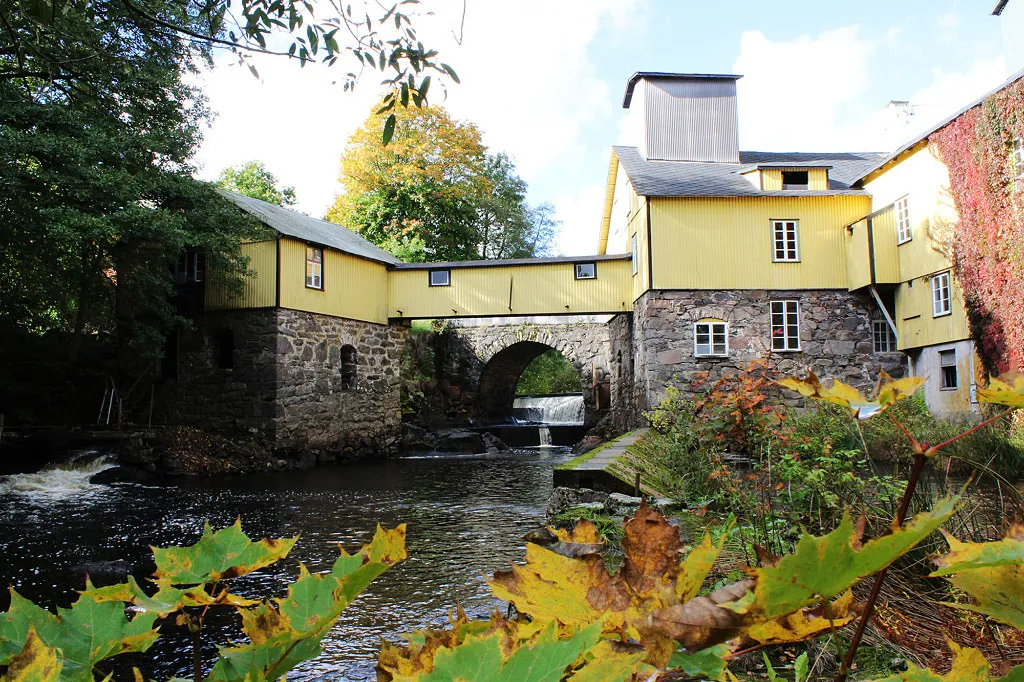
The mill is beautifully located over Högvadsån, this is a tributary to Åtran. The mill wheel has now stopped, but grain was milled here until as late as just a few years ago. Fishing in Högvadsån The mill has stopped turning, but the beautiful stone bridge and the building remain. Nydala Mill is now a popular location for fishing, and you will find salmon, trout, perch and many other species. In the summer, the salmon are pulled up, weighed and then helped on their way past the mill. If you are lucky, you will see some of the fish on their way up Högvadsån to play.
Yttra Berg

Yttra Berg

Here will you not only find beautiful nature, Yttra Berg is a place full of history. You will find plenty of traces of times long past and of the generations that have worked the land and formed the landscape. A small farm museum tells of life on the farm.   Welcome At Yttra Berg, you will encounter an old-fashioned landscape, with pruned trees, meadows, cultivation terraces and cow paths. This is an outing for the entire family. Choose a walk that is just long enough for you; you will be amazed by the beauty of the landscape. Let your children run around on the old farm yard and learn more in the museum. There are picnic places both at the car park and at the farm. WC facilities can be found at Aronsgården. Museum at the Farm aronsgården, located in the middle of the reserve, dates back to the 17th century and is owned by the Swedish Environmental Protection Agency. The farm house that stands there now is from 1818. The unpainted barn was moved to Yttra Berg from Sjöred in Abild in 1992. Here inside, there is a small museum with an exhibit on the nature and culture of the location and about the the farming tasks of the past. In a listening studio, you can hear stories from the region. The museum is also open, the lamps turn on automatically when you step inside. Four Nature Paths Here you can walk along four well-marked nature paths that vary in length from one to two-and-a-half kilometres. Along the way, you will learn about the natural value of the location, as well as its cultural history. You can find your way around with the help of the brochure available at the information board at the car park and in the farm museum. Old Traces The agricultural landscape is largely preserved from the period before the turn of the 19th century. It is both hilly and stony, which meant that generations of farmers had to adapt to the terrain. Virtually every possible surface was cultivated. The landscape is in fact one of the county’s (and country’s) most prolific with regard to ancient arable land. The Gällared rural culture society currently tends to the lands in a traditional manner. For example, a yearly hay-harvest festival is help with well-sharpened scythes and filled coffee baskets.
Björkekullen

Björkekullen

Want to experience a place that feels like it’s been plucked from an Astrid Lindgren story? You know, the classic Swedish farmland vista. A red croft cottage, a roundpole fence and a gravel path warmed by the summer sun, all surrounded by the purest green. Then pack a picnic basket and get yourself down to the Björkekullen nature reserve. A great place for curious types Björkekullen is an old croft cottage where you can walk around and check out the buildings and the farmland. The ground here is very stony and generations of farmers have created an imposing system of roundpole fences, terraces and cairns here. We usually start our trips to Björkekullen by walking around the houses where there’s plenty to see and talk about: what the functions of the different buildings were and how tough it must have been building up the large stone walls. Take a dip Follow the gravel path down towards Björkasjö lake and you will reach a delightful little swimming hole with a sandy bottom. You can also barbecue here in designated areas and we usually take the time to fika here. A longer hike If you want, you can walk around the entirety of Björkasjö Lake. The 5.5 km lakeside loop takes in the system of hiking trails in Åkulla beech forest. This path is not buggy-friendly and is only suitable for children aged 7 or older. We made it round with kids in around two hours. Björkekullen is a great destination all year round, but is perhaps best in summer if you fancy taking a dip in the lake.
Laurentiiparken med Gåsatorget

Laurentiiparken med Gåsatorget

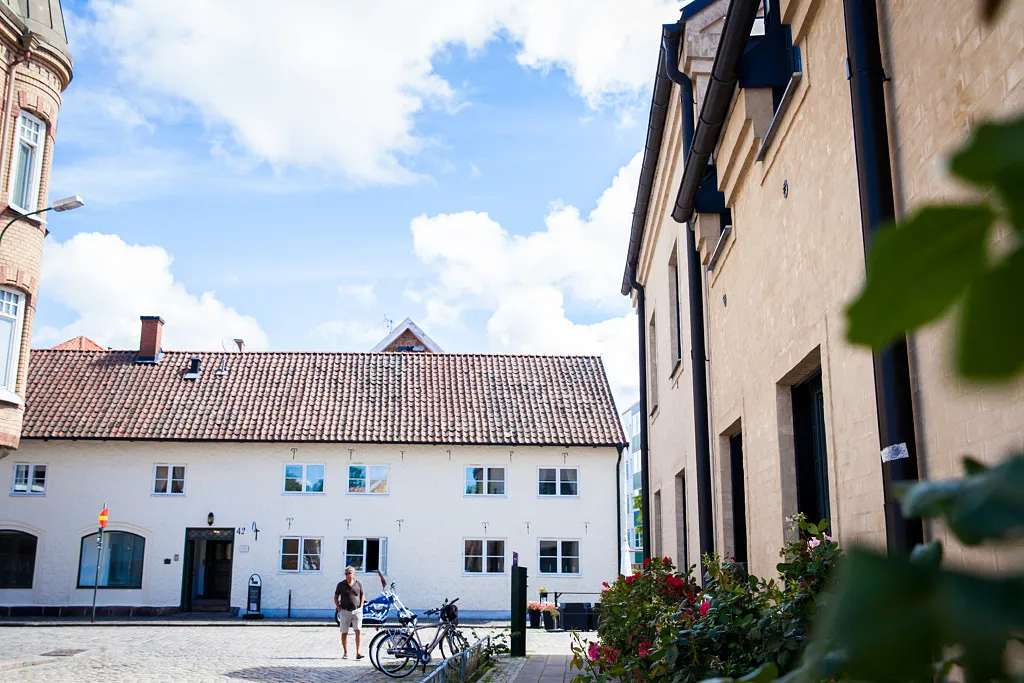
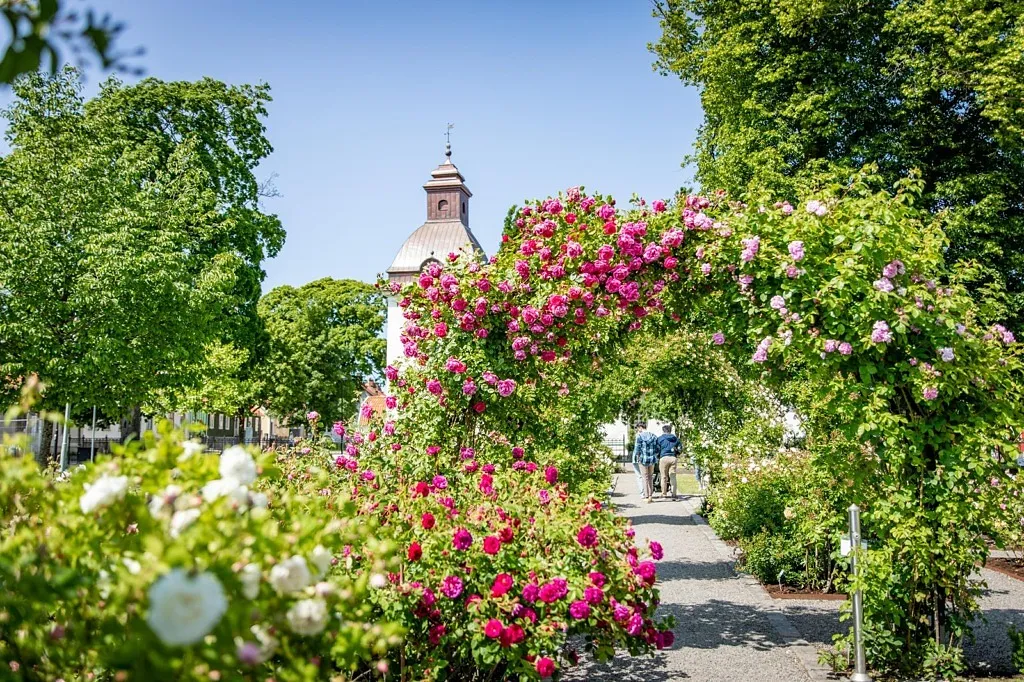
In the middle of the old town lies a lovely green area with trees and plants. Take a break in Rosariet and enjoy the smells of the beautiful scented flowers. The old town centre The town centre was located around the Church of St. Laurentii until the mid-18th century, when the new square and town hall was built further north, by Storgatan. The southern part was paved with stone in 1868, and the remaining parts were turned into a park in 1881 - the Laurentii Park. When the railway that ran through Falkenberg changed in 1936, it entailed laying down new tracks by the northern area of Gåsa Square. The railway tracks were removed in connection with the relocation of the railway to the outskirts of the town in 2008. A bustling meeting place Gåsa Square is mentioned on maps dating as far back as 1650. There were merchants selling geese on the square, which is where it got its name from (the Swedish word for goose being ‘gås’). In earlier times, it was a natural hub thanks to the adjacent school and town hall. The square had a well where local townsfolk could get water for themselves and their livestock. People from a variety of professions had homes around the square, such as potters, linen seamstresses, fishermen and bakers. Visit the park The Laurentii Park and its trees and plants are listed, and the park was expanded in 1988 with Rosariet, a beautiful garden filled with the scent of eighty different rose varieties all summer long. This part of town is what is known as Gamla Stan - the Old Town - today. The relatively short wooden buildings here are from the 19th century.