

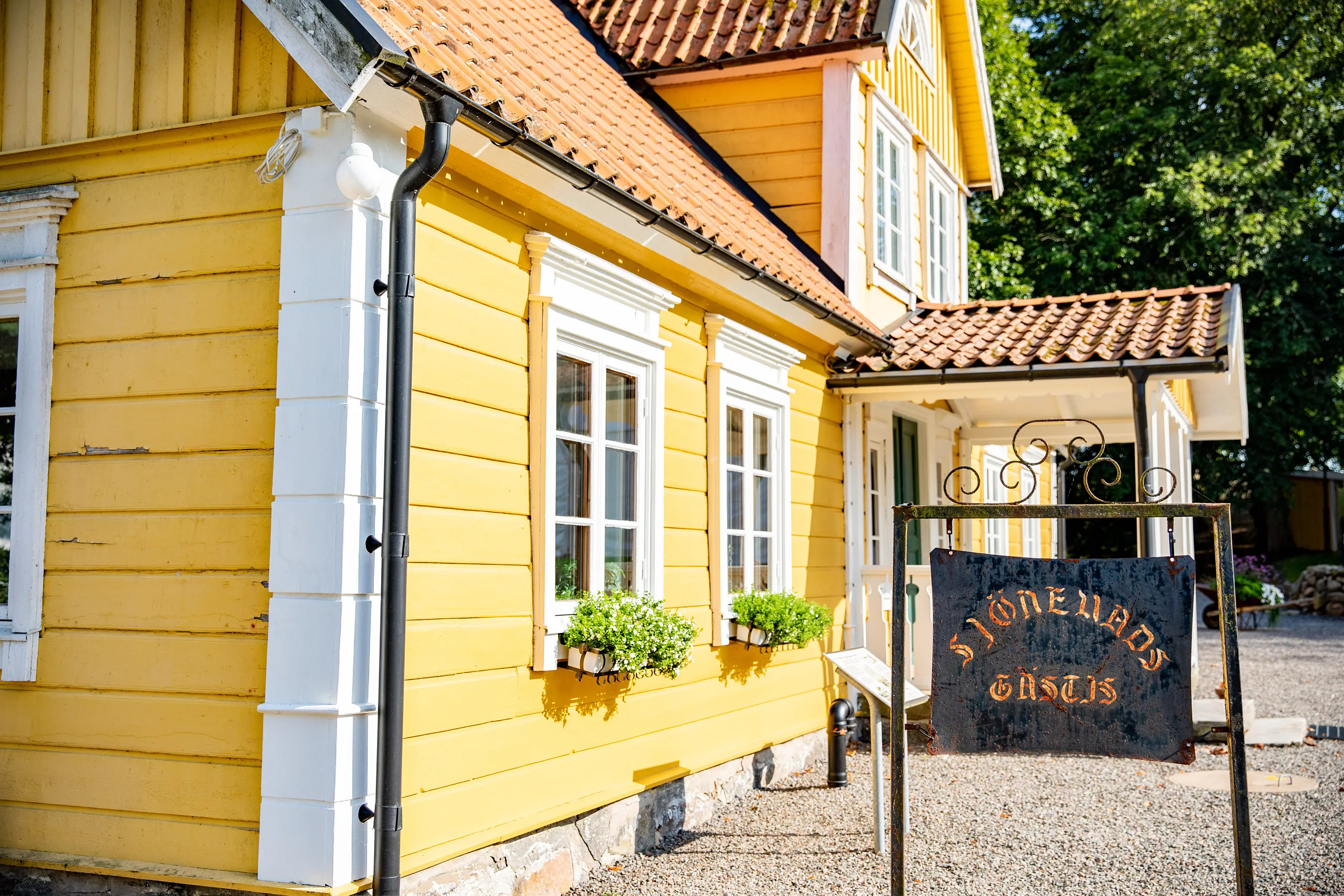
Sjönevad’s Gästis – Drunkenness in the Year 1735
At Sjönevad’s Gästis, travelers have been served food and drink for many hundreds of years. The inn is located next to Lake Sjönevad, where you can swim and paddle. In summer, an annual folk music gathering is held, as well as the large market that attracts up to 50,000 visitors. The market has been held annually in Sjönevad since the early 1800s and recently celebrated its 200th anniversary.
But now, let’s go back to the inn and the year 1735—specifically, the fourth day of Pentecost.
On Sabbath days, it was important to behave in a Christian and godly manner. Filling oneself with beer and schnapps after attending church was out of the question. We find many court cases where individuals were accused of being intoxicated in church, but it is rare to come across cases where someone is prosecuted solely for being drunk on a holiday. There was previously no general ban on drunkenness on weekdays. As long as one did not commit a crime or behave too badly, they were safe from the law. It was only in 1733 that the law was tightened. Since the normal drink at meals was beer, and a shot or two was believed to be good for health, almost everyone was likely a bit tipsy on a daily basis.
Anders Persson from Yttre Mosilt did not observe the Sabbath. Instead, he sat at the inn, downing strong drinks. Unfortunately, he had one glass too many. In September, district sheriff Johan Petter Sevelius summoned Anders for having “overindulged in drinking and drunkenness.”
Anders admitted that he had indeed been a little tipsy but firmly denied that he had drunk himself intoxicated in any way. The prosecution had strong evidence, as the incident took place at Sjönevad’s inn among other guests. Three independent witnesses testified that Anders staggered and had difficulty mounting his horse. It was obvious he was intoxicated.
Anders brushed off the accusations, claiming he was no more drunk than any of his companions.
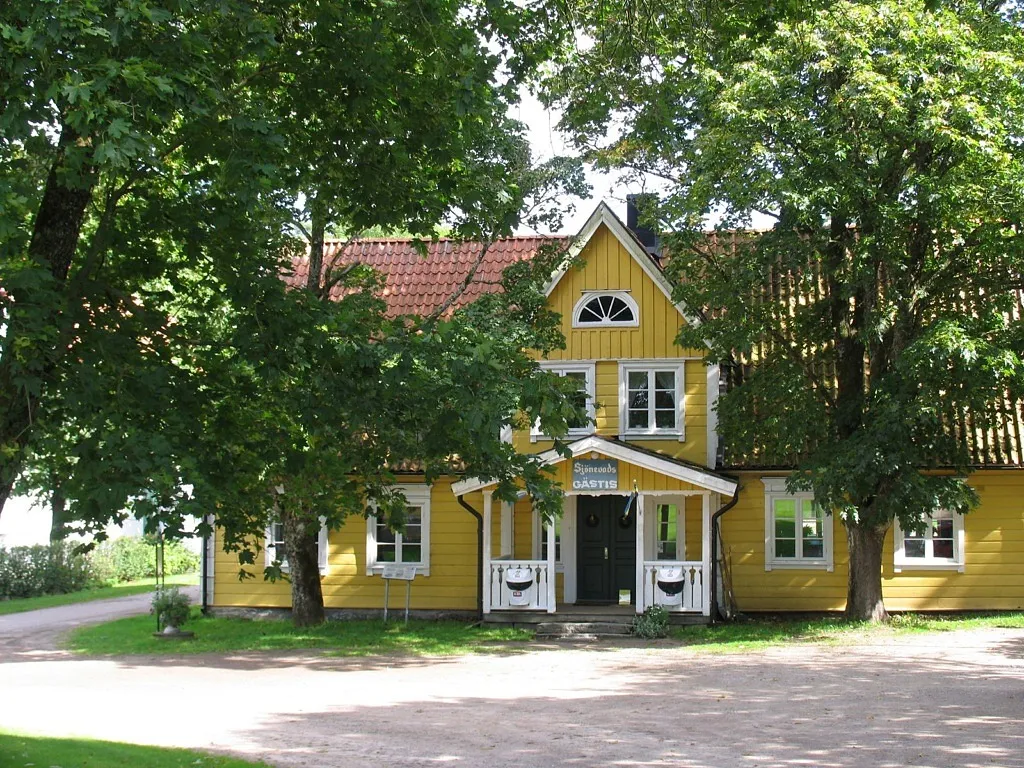
The court stated in its resolution that there was no doubt about Anders’ condition, as three consistent witnesses had observed his inebriation. Referring to the royal decree from April 17, 1733, Anders was fined five silver dalers. If he could not afford the fine, he would face four days in prison.
This new law must have been taken lightly by many. Before 1733, drunkenness as such was not prosecuted by the justice system. It was only when the drunkard committed another offense—such as misbehaving in church, fighting, or cursing at someone—that they were taken to court. During brawls or quarrels, people would often “excuse” themselves by claiming they had been drunk. The case from Sjönevad is not unique, but it is rare. Perhaps it was precisely because Anders Persson was drunk on a Sunday that the district sheriff wanted to test the new law.
Text: Andreas and Anna Karlsson