Glommen

The unspoilt gem that is Glommen is framed by the open sea and breathtaking sunsets. It is home to a small fishing harbour, a relaxed and welcoming community and a way of life far removed from the stress and fast pace of the big city.
Morups Tånge

Morups Tånge

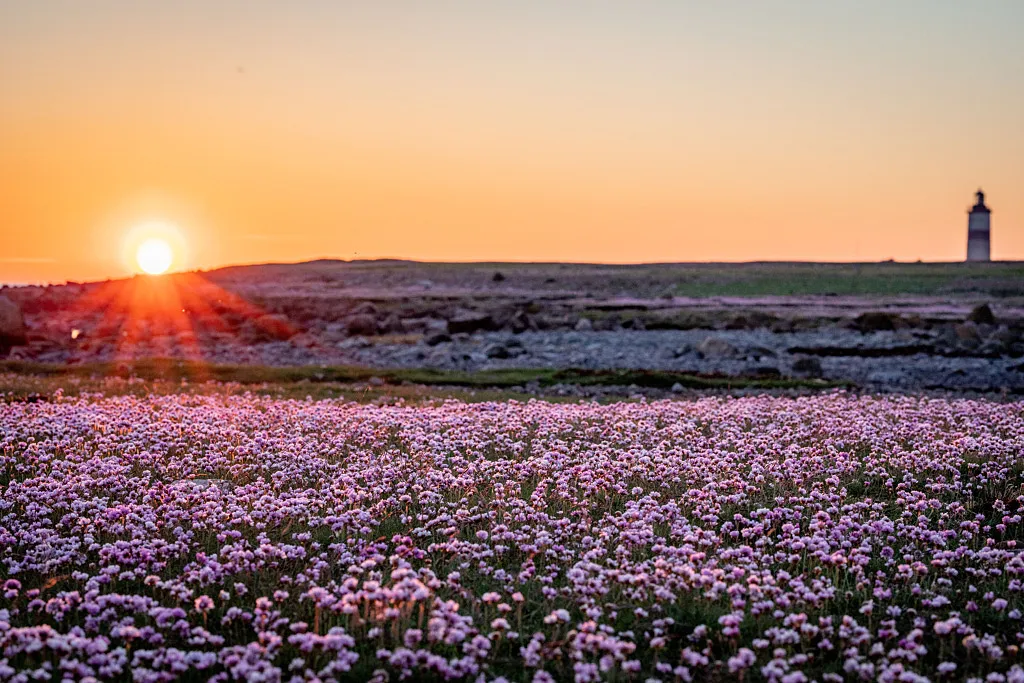
Morups Tånge is a beautiful nature reserve with an abundance of wildlife just south of Glommen. Both birds and people come here to relax and enjoy the peaceful nature. Take a break and enjoy your front row seat to the ocean view. And don’t forget your binoculars! Welcome You get to Morups Tånge through a series of winding roads. The majestic lighthouse can be seen from far away. Before you arrive at the parking area, you will have to stop and open the gate. This is because there are horses and cows that graze and roam freely in the beach meadows to keep the landscape open and accessible. The nature reserve is one of the most beautiful bird habitats in Sweden. It is an important resting place for many of the country’s migratory birds, and approximately 280 different species have been spotted here. A spellbinding experience by the sea Morups Tånge is a lovely place to go for an excursion no matter the time of year, where you can go exploring around the lighthouse and over the heaths. There is signage that indicate areas that are off-limits to keep humans from disturbing the local bird life. In the summer, you can enjoy the breathtaking view of the sunshine on the rippling ocean waves and stunning sunsets. In the winter, you can experience nature’s spectacle accompanied by salty winds and the smell of seaweed. About the lighthouse The lighthouse at Morups Tånge was built in 1841 and is 27 metres tall. In the 1930s, the lighthouse was modernised with electricity. The lighthouse is still in operation to this day, shining its light across the Kattegat strait, but has been unmanned since 1962. If you visit the reservation during the International Lighthouse Day in August, you can go all the way up inside the lighthouse and enjoy the view of the surrounding area. It is usually also open to visitors on a few occasions over the summer. You can follow the life of the lighthouse on Twitter and Instagram on @TngeFyr
Fyr- och fiskemuseum

Fyr- och fiskemuseum

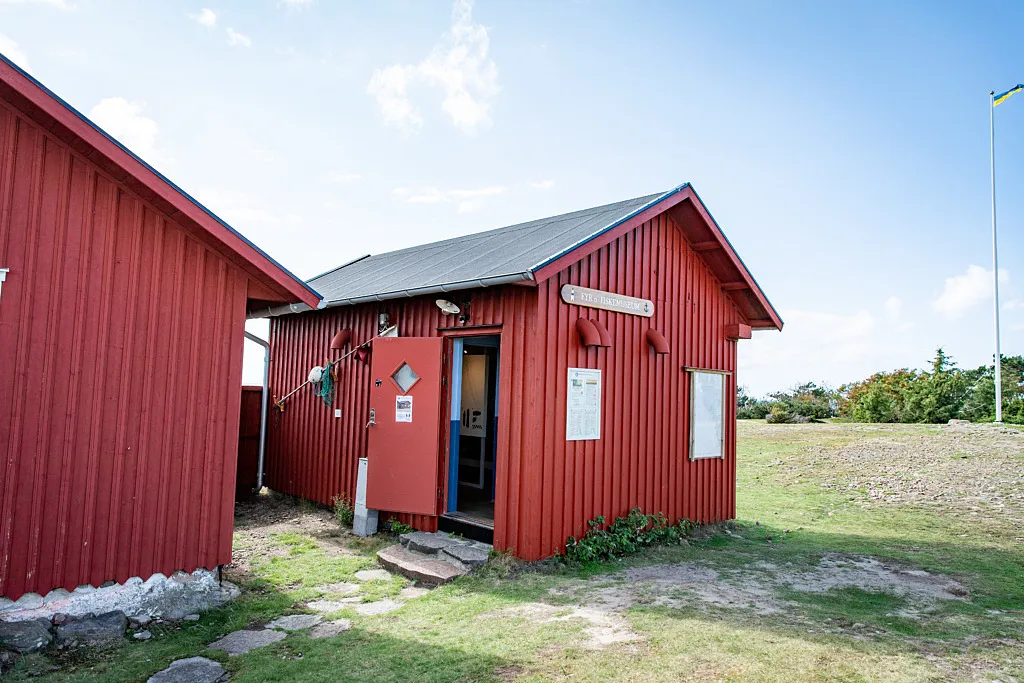
Welcome to a small gem that is perhaps Sweden’s best lighthouse and fishing museum. Here you can learn about Morups Tånge lighthouse and its exciting history, as well as about fishing in Glommen. One of the red sheds between the lighthouse and the sea at Morups Tånge is now home to a small lighthouse and fishing museum. There is lots of interesting material to read, everything from stories of lost vessels to how and when the lighthouse was built. There is also a small fisherman’s shack containing old fishing gear. The museum was set up and is run by the Morups Tånge Lighthouse Society, and is open in conjunction with public tours of the lighthouse. Keep an eye on the website for when the lighthouse is open to the public. Alternatively, mail visningar.morupstangefyr@gmail.com to book a private tour.
Glommens guest harbour

Glommens guest harbour

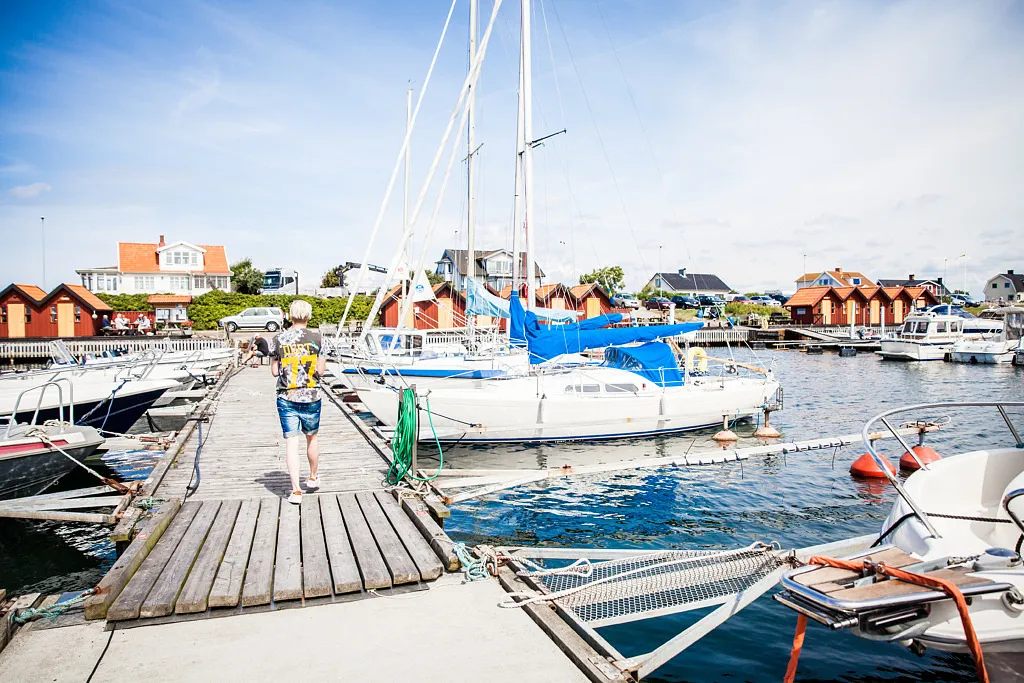
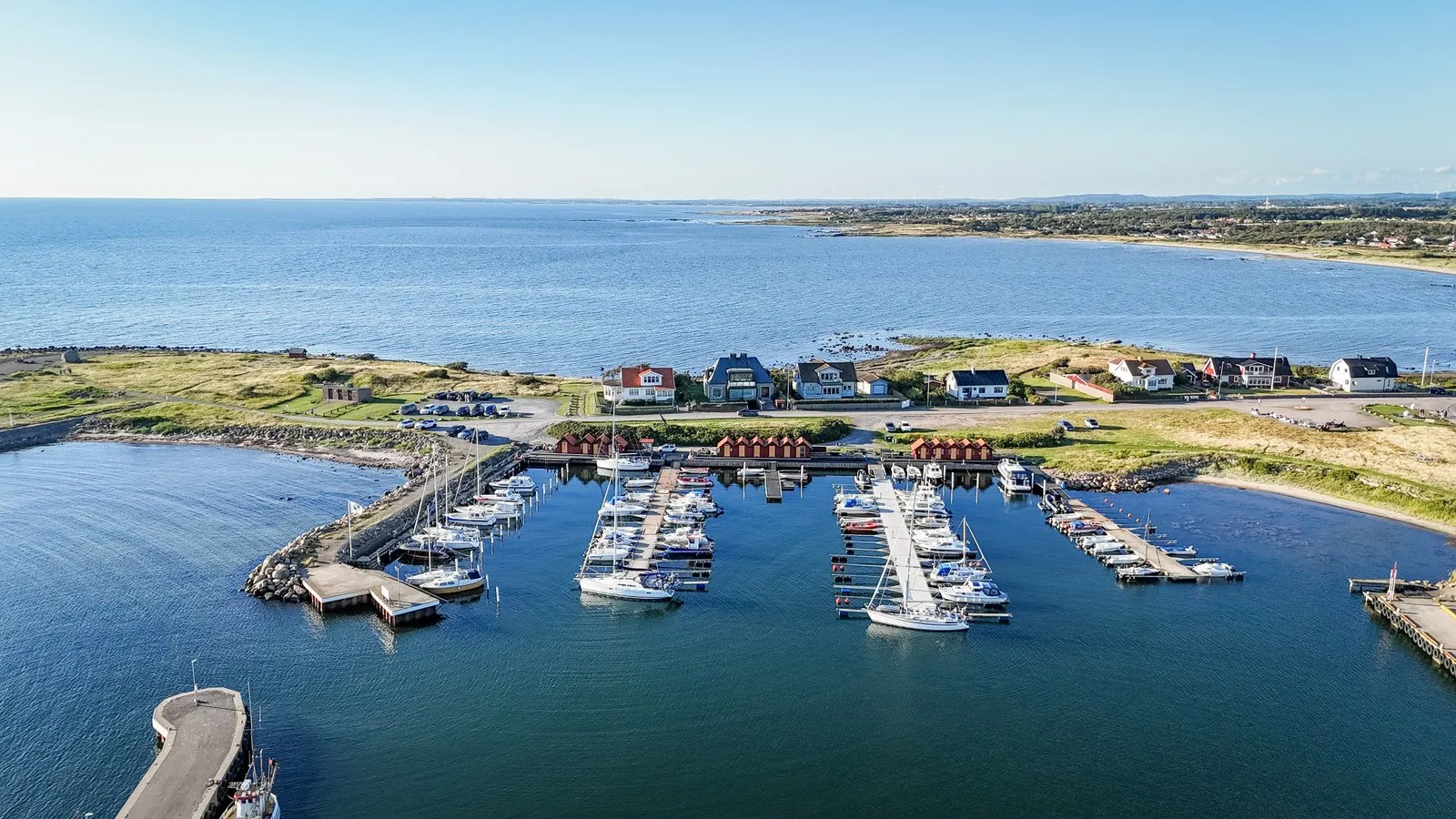
(Note: Guest harbor only - no camper parks) The lighthouse at Morups Tånge can be seen from far away and shows the way to Glommen. At Glommen Gästhamn, you are welcome to stay the night or simply take a lovely stroll among the piers and boats. Glommen is a picturesque old fishing community that is well worth a visit. There is a lovely sandy beach and nature all around, as well as a local restaurant and entertainment during the summer. The green berths are reserved for guest boats. You cannot moor on the outer side of the first pontoon, but there are good berths on the inner side. Electricity and fresh water is available at the piers. The harbour depth is approx. 2.5 metres, and 4 metres in the trawler area. Once you pay your harbour fee, you will receive a code to the code lock for the small building across the harbour, where you will find the restrooms and shower. If you need to shop for groceries, there is a grocery store (Handlaren) approx. 300 metres from the harbour in the village. If you want to take the bus to Falkenberg, the bus stop is located right across from the harbour.
Glommens Beach

Glommens Beach

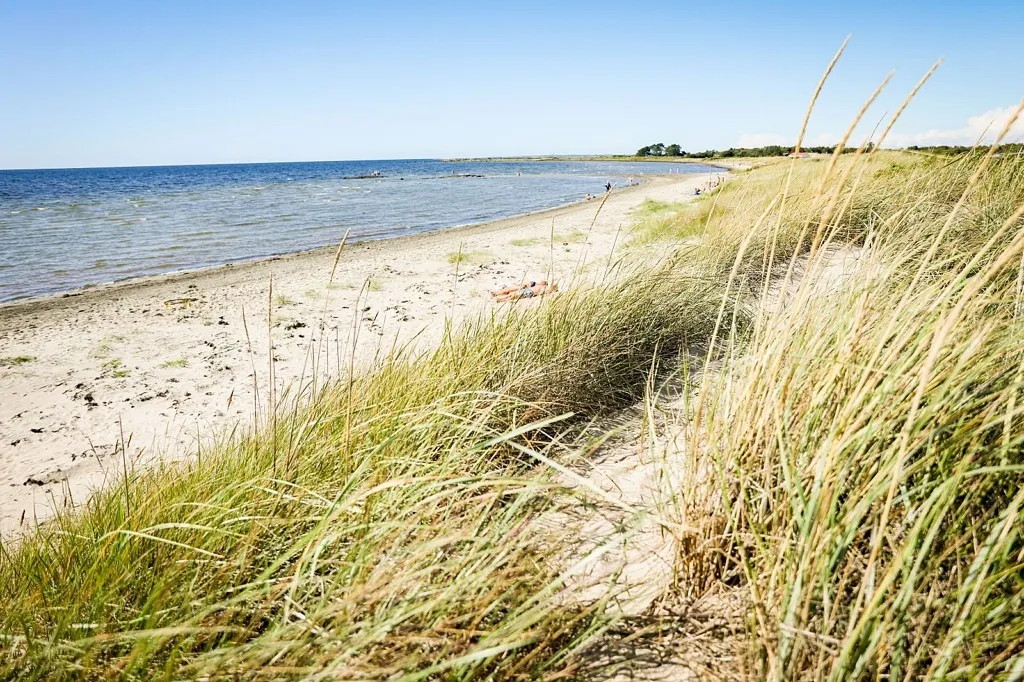
Just north of Glommen lies a long and lovely sandy beach with low dunes. You can walk to the long sandy beach with low dunes and shallow water from Glommen. If you need a break from the water, you can take a walk along the charming marina or head out to the headland to get a closer look at Glumstenen - Glum Rock. Shops and restaurants are close at hand. Parking is available at the northern end of the beach. In the southern end, you can park near the fishing harbour. There are restrooms at the beach.
Digesgård

Digesgård

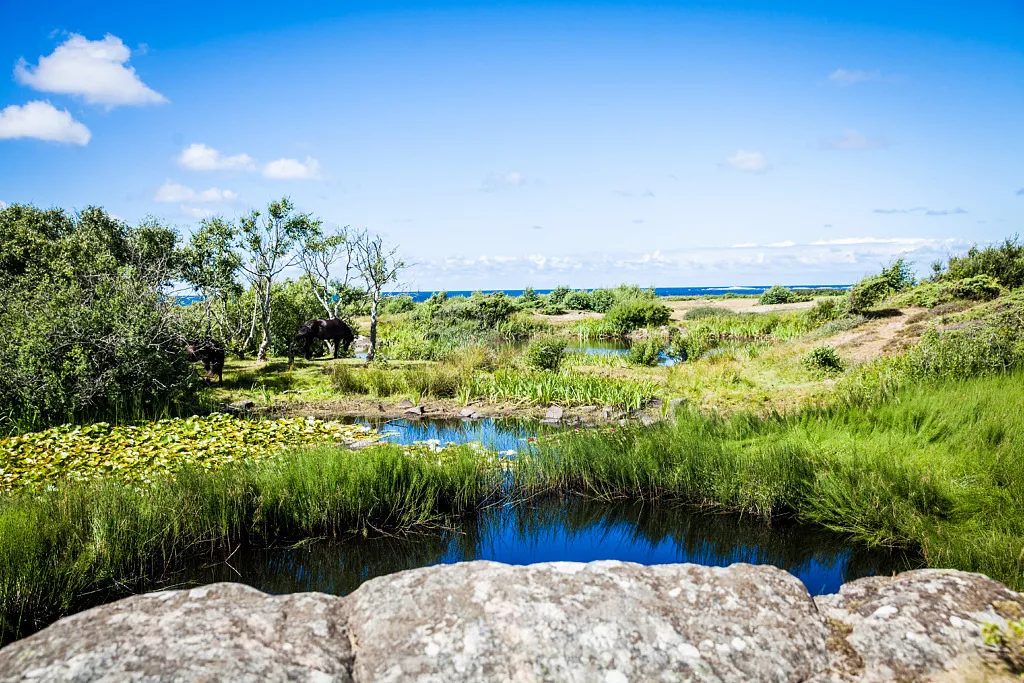
Just north of the beautiful sandy beach in Glommen lies the Digesgård nature reserve. The open beach meadows are home to a thriving ecosystem of birds and plants. Welcome The nature reserve consists of an open landscape with flat beaches and shallow waters off the coast. The beach meadows are dominated by tall grass such as lyme grass as well as reeds in the wetter areas. Other plants that can be found here include breckland thyme, hawkweed, sea thrift, sea sandwort, sand sedge and sea wormwood. The meadows also contain short, wind-pruned juniper and blackberry bushes. An old quarry The reserve is also home to Pannabohålan, three ponds which are the remains of a stone quarry. The stoned was mined here in the 1910s in connection with the construction of Glommen harbour. Water reservoirs such as these are crucial to a lot of plants and animals. For example, there are large and small salamanders that make a home for themselves in the pond cavities during the spring. During the summer, several different species of dragonflies can be spotted gliding over the water.
Glumstenen

Glumstenen

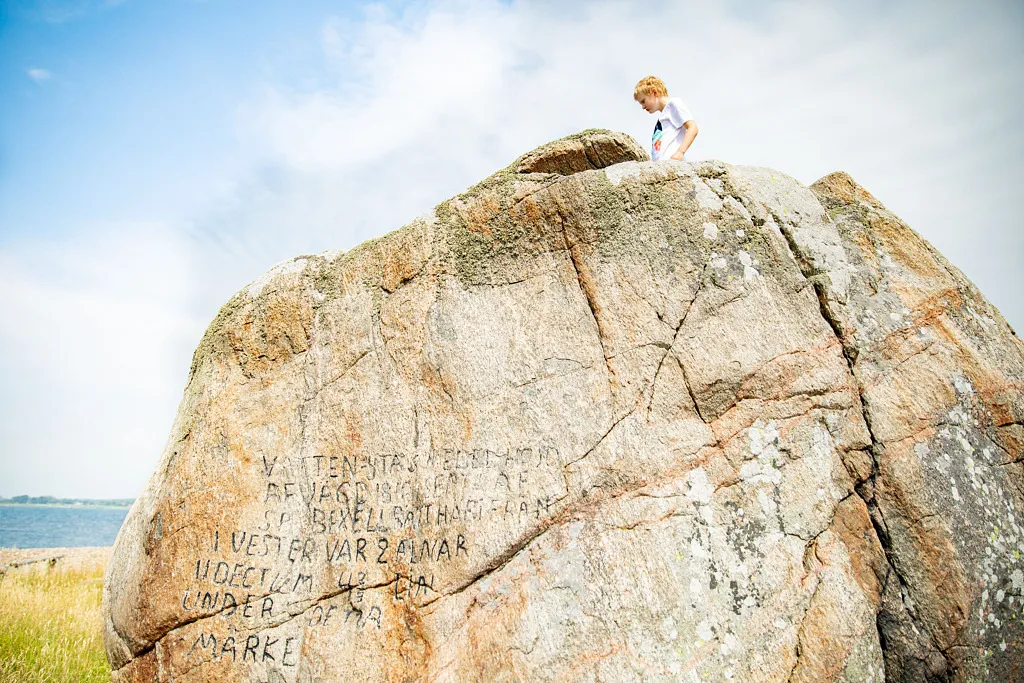
Far out on the promontory lies the big rock that has served as a landmark for as long as Glommen has been a settlement. It is also where Glommen gets its name from. An old navigation mark Way out on the headland north of Glommen’s harbour lies Glumstenen (Glum Rock), a boulder that has been there since the Ice Age. Shallow waters and reefs have always made the coastline around Glommen treacherous, and the rock has served as a landmark for ships. ‘Glaumstein’ The first historical records of Glum Rock date back to the 11th century, where it was referred to as ‘Glaumstein’ by the Vikings. In Hakon Hakonsson’s saga about the king’s war in Halland in the year 1256, ‘Glumsten’ is mentioned as the landing site and starting point for raids in the north and south of the region. The rock also served as a landmark for sailors up until the 1840s, when the Morups Tånge Lighthouse was built. Mysterious writings on Glum Rock. In 1816, a man by the name of Sven Petter Bexell carved the water levels of the time into the rock. Bexel carved texts on numerous rocks in the beech forests in Åkulla, often common sayings. Around that time, people were concerned about the falling sea levels, so Bexel decided to investigate the matter by carving the water level at the time into the rock.
Söndre Gårds Haväng

Söndre Gårds Haväng

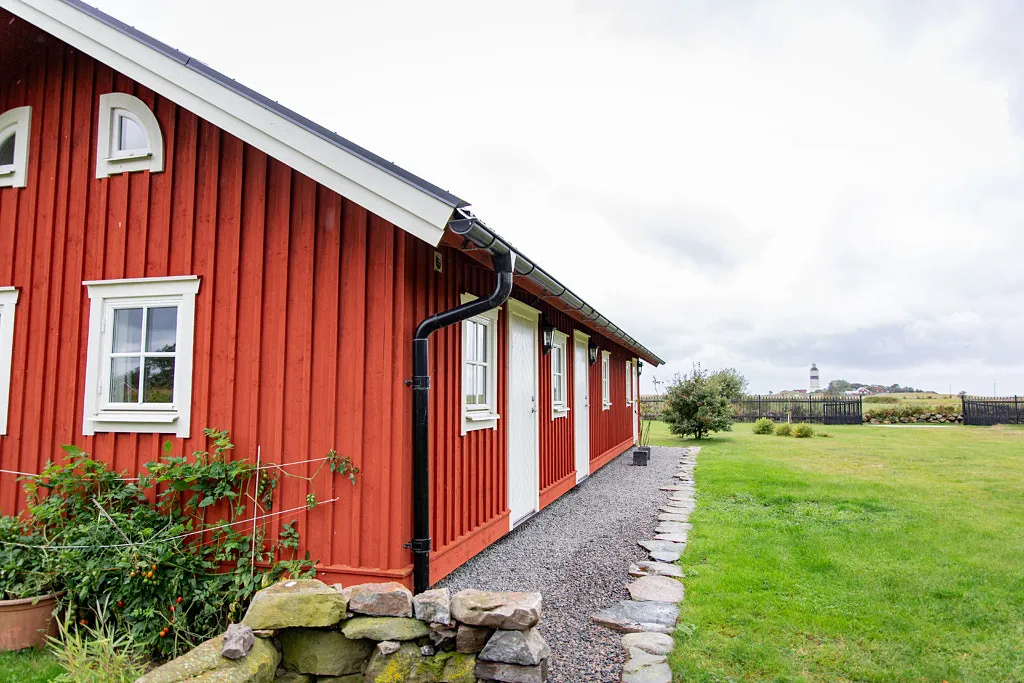
Bed & kitchen located just 200 meters from the sea and Morups Tånge Lighthouse. Here you can sleep well in an old farm dating back to the 18th century. Enjoy unique bird life, long sandy beaches and award-winning dining experiences. In the red building there are three apartments that are ideal for both short and long stays. There is a dining area and a built-in kitchen with a refrigerator, stove, kettle, as well as cooking utensils and kitchenware with accessories. The price also includes sheets. Each room also has its own bathroom with a shower, underfloor heating and towels. Individual patios in the immediate vicinity are available for all rooms and offer fantastic views of the nature reserve's sea meadows with its lighthouse and the sea that changes in blue shades towards the horizon. Bicycles are available to borrow for those who need them.