Gamla Stan

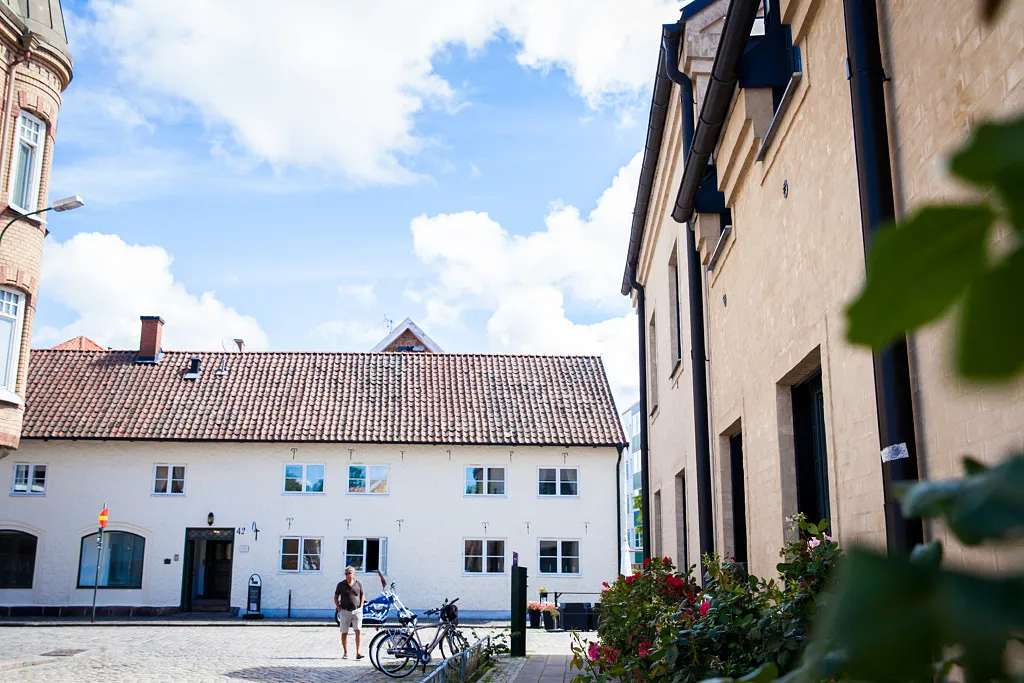
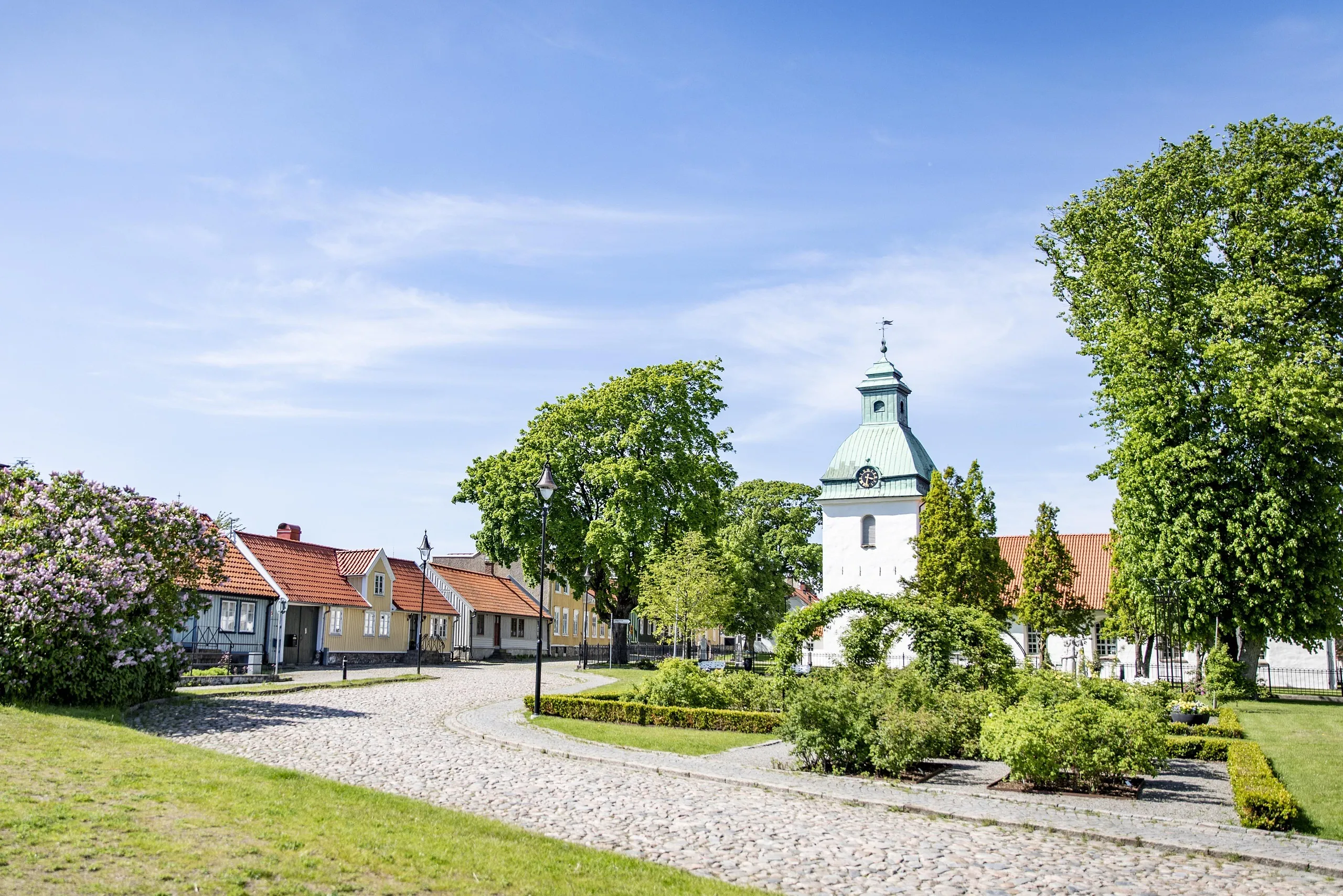
Going for a walk across the old cobblestone streets in Gamla Stan – the Old Town – is a must when visiting Falkenberg. The town has managed to preserve the oblique and crooked wooden houses, its medieval church, the fragrant rose garden and the granary, which now houses RIAN Designmuseum. Welcome to the heart of Falkenberg.
Tullbron

Tullbron

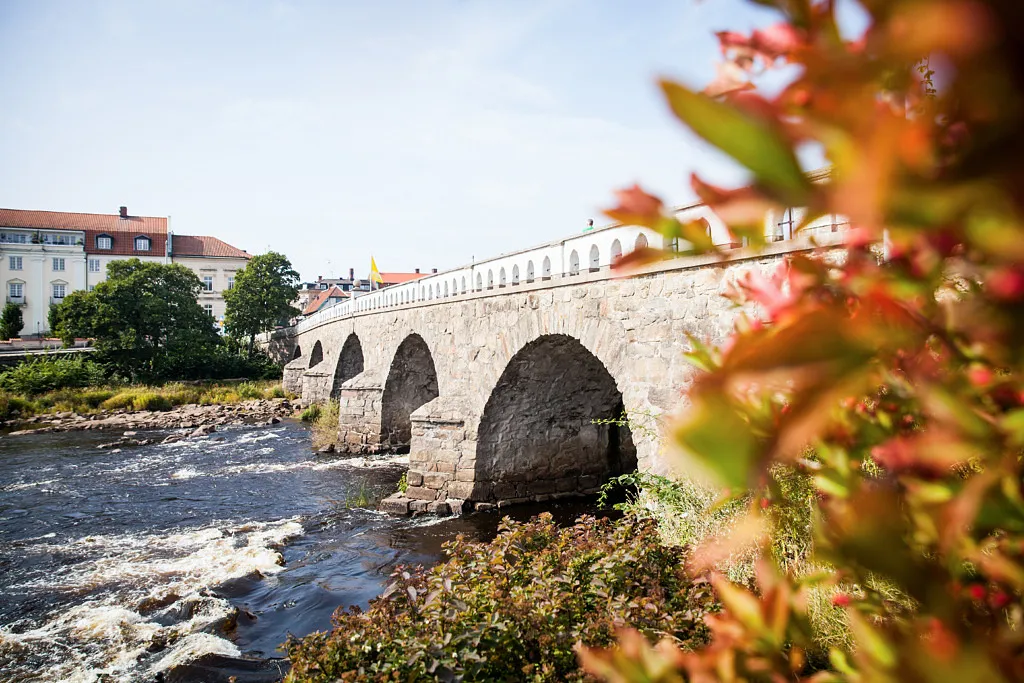
Towering over the river Ätran stands Sweden’s most beautiful stone bridge, steadfastly regardless of the water levels and swirling currents. Take a stroll over Falkenberg’s most famous construction. A must-see If you have a moment to spare during your visit to Falkenberg, head over to the bridge and look out over the Ätran river. Notice how roars, glitters and seems to be alive in its own way. Place your hands on the thick walls and feel the air of history that lies over this place. History Construction of Tullbron began in 1756 and was completed five years later. Prior to that, the only way of getting across the river was a simple wooden bridge over the Garvare Rapids. However, it was often damaged by ice and spring floods, and by the mid-18th century it was in terrible shape. The county governor Hummelhielm was therefore given a permit and funding from the king to construct a new bridge, of stone this time. The first architect commissioned for the task was Carl Hårleman, and following his death, Carl Cronstedt completed the drawings. The master mason Friedrich August Rex from Gothenburg was hired to carry out the construction of the bridge. How Tullbron got its name Up until 1914, travellers and to pay a toll to pass the bridge, which was how it got the name Tullbron - the Toll Bridge. The bridge toll was leased out, and the revenues went to maintaining the bridge and the lessee’s living expenses. In the 1940s, there were plans to expand the bridge to cope with the increase in traffic. However, the plans failed to materialise, and the bridge has been declared a listed structure since 1984.
Rian

Rian

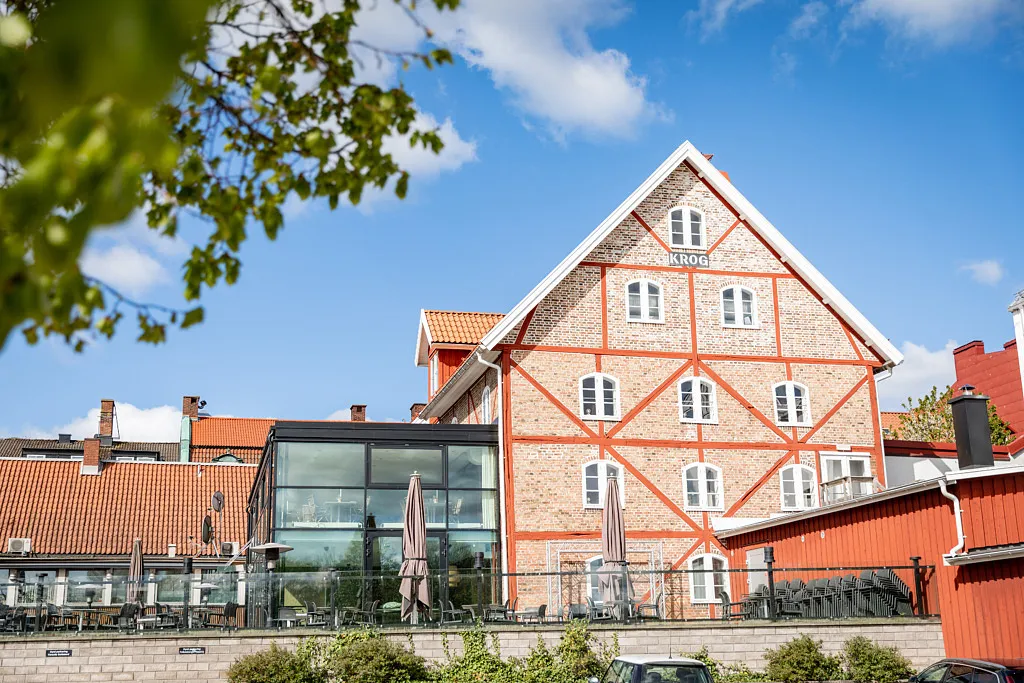
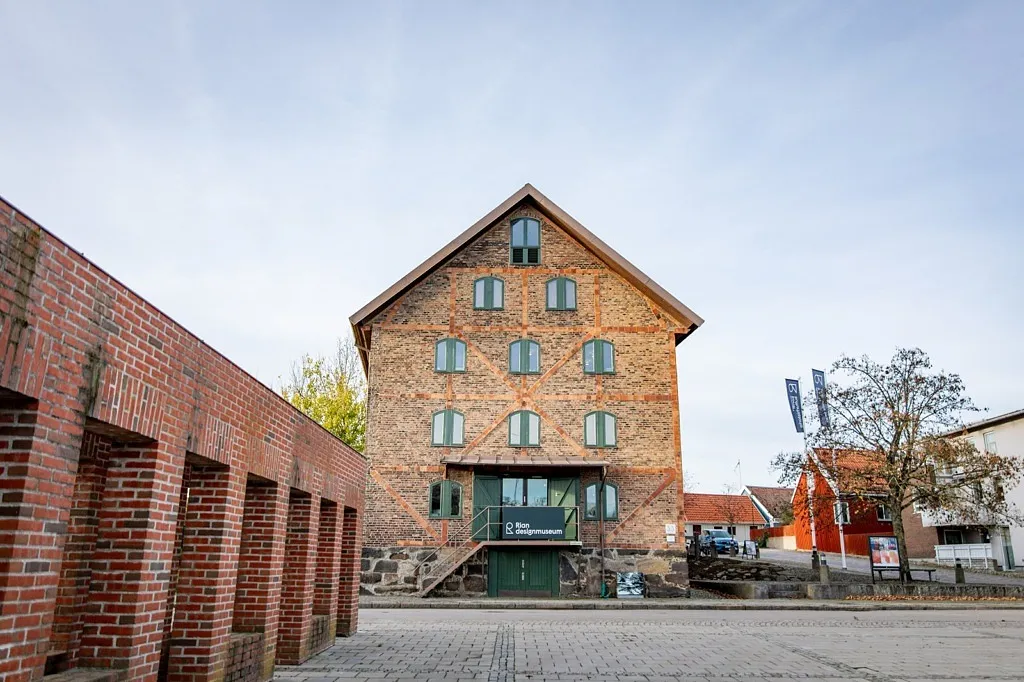
Explore innovative design, popular design, national design and international design - all under one roof. The museum’s temporary exhibitions feature everything from industrial design to artisanry. A regional design museum Welcome to an exciting meeting place for design. The museum features the latest trends interspersed with fascinating design history and hosts three new exhibitions each year. The ground floor of the museum is open to visitors free of charge. On the ground floor, you can take a break at the café with a view of the Ätran river, browse design magazines or buy a souvenir at the design shop. You can also visit the exhibition in the project room. Visit us Take a look at the programme before your visit to make sure you can time it with the next available guided tour of the exhibitions. The programme also contains information about presentations and workshops organised by the museum. Throughout the year, city walks on various themes are offered. There is plenty for children to explore and do in Ria the Rat’s play corner. The museum also organises fun activities for children on public holidays. The museum’s calendar and opening hours can be found on this website. New design in a historical building The museum is located downstream of Tullbron (the Toll Bridge) by the river Ätran. The half-timbered building was built in 1865 and is closely tied to the area’s once-substantial grain export industry. Experience the charming interior, which is influenced by the building’s original function as a granary. The supporting wooden pillars and whitewashed brick walls still leave little doubt as to its proud history. The grain was dried in the tall, pointed storage tower, the tip of which still swivels when the wind blows.
Laurentiiparken med Gåsatorget

Laurentiiparken med Gåsatorget

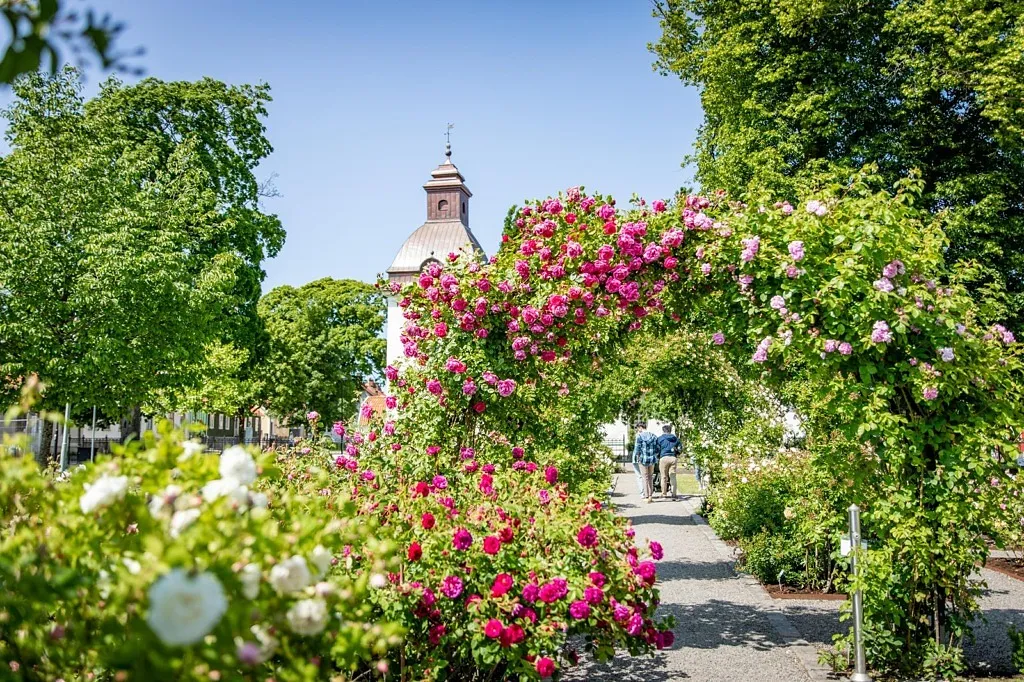
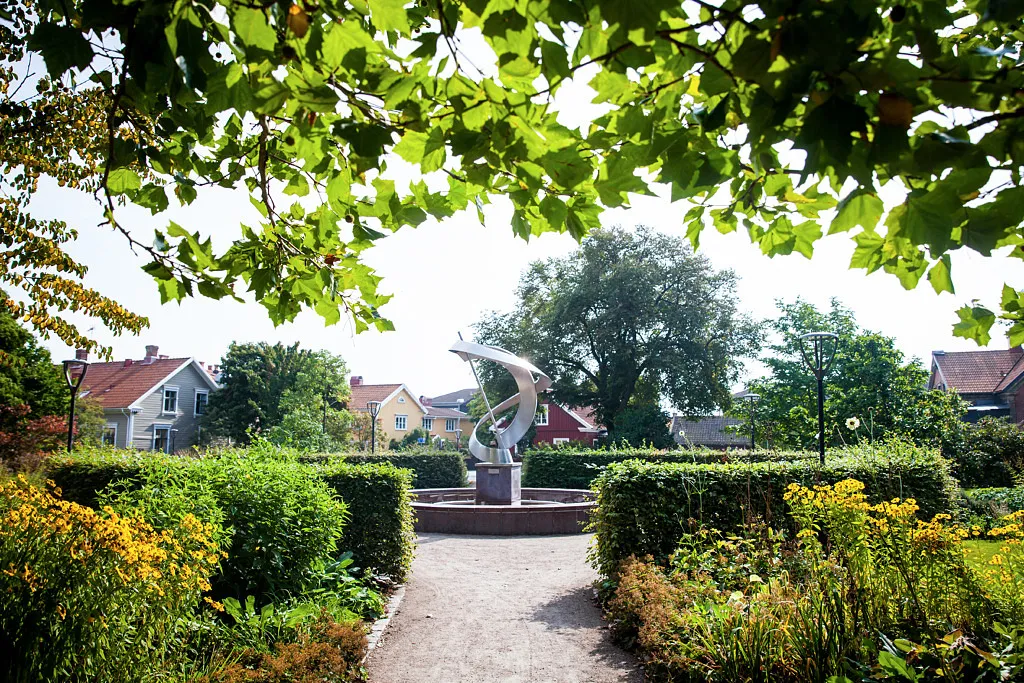
In the middle of the old town lies a lovely green area with trees and plants. Take a break in Rosariet and enjoy the smells of the beautiful scented flowers. The old town centre The town centre was located around the Church of St. Laurentii until the mid-18th century, when the new square and town hall was built further north, by Storgatan. The southern part was paved with stone in 1868, and the remaining parts were turned into a park in 1881 - the Laurentii Park. When the railway that ran through Falkenberg changed in 1936, it entailed laying down new tracks by the northern area of Gåsa Square. The railway tracks were removed in connection with the relocation of the railway to the outskirts of the town in 2008. A bustling meeting place Gåsa Square is mentioned on maps dating as far back as 1650. There were merchants selling geese on the square, which is where it got its name from (the Swedish word for goose being ‘gås’). In earlier times, it was a natural hub thanks to the adjacent school and town hall. The square had a well where local townsfolk could get water for themselves and their livestock. People from a variety of professions had homes around the square, such as potters, linen seamstresses, fishermen and bakers. Visit the park The Laurentii Park and its trees and plants are listed, and the park was expanded in 1988 with Rosariet, a beautiful garden filled with the scent of eighty different rose varieties all summer long. This part of town is what is known as Gamla Stan - the Old Town - today. The relatively short wooden buildings here are from the 19th century.
S:t Laurentii Kyrka

S:t Laurentii Kyrka

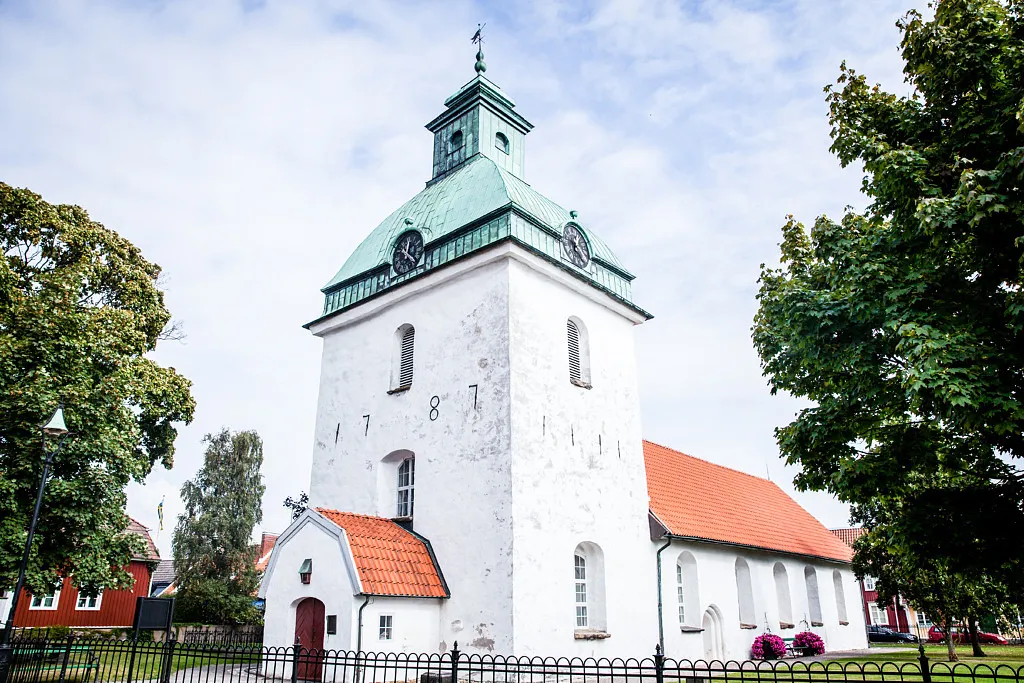
The Church of St. Laurentii is one of the oldest buildings in Falkenberg and has a fascinating history. It is a very popular church for baptisms and weddings. Dating back to the Middle Ages The oldest parts of the church were built in the 14th century, and its thick walls indicate that it was intended to serve as a bastion against invaders. During the wars fought over the course of the 16th century, the church was razed but eventually rebuilt. The tower was added in the 18th century. The church became a cinema When the new church was built in 1892, all religious functions were moved from the Church of St. Laurentii - which had been the main church of the local area for more than 500 years - to the new one. The old church was subsequently used as a gymnasium, tennis court, wrestling ring and cinema. Following extensive renovations in the 1920s, it was once again put back into use as a church. During the renovations, the builders discovered beautiful murals from the 16th century and painted ceilings from the 18th century.
Falkenbergs Hembygdsmuseum

Falkenbergs Hembygdsmuseum

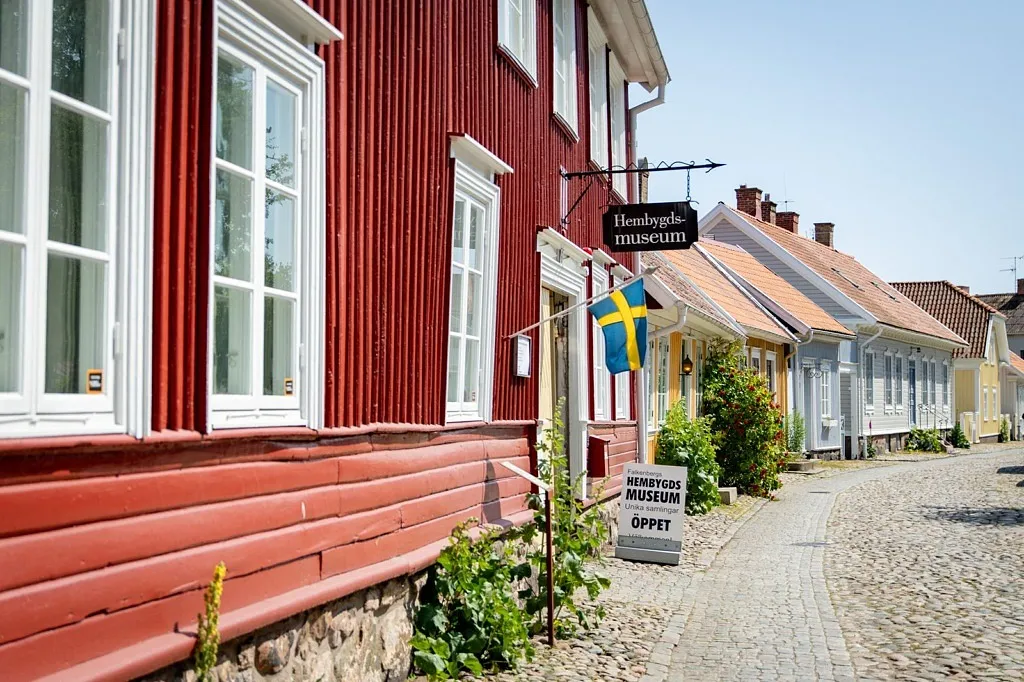
In one of the well-preserved houses in Falkenberg’s Old Town lies Falkenbergs Hembygdsmuseum, which chronicles the history of the town from antiquity to the early 20th century. The exhibits tell the story At the museum, you can spend a long time browsing all the different objects on display and learning more about the history of Falkenberg. A significant portion of the display objects relate to the 19th century. The museum also has a lovely garden in which you can sit and relax for a while. Visit the museum The museum is located on S:t Lars Kyrkogata, just behind the Church of St. Laurentii. It is open over the summer months, but groups can book guided tours all year round. See opening hours
Falkenberg castle

Falkenberg castle

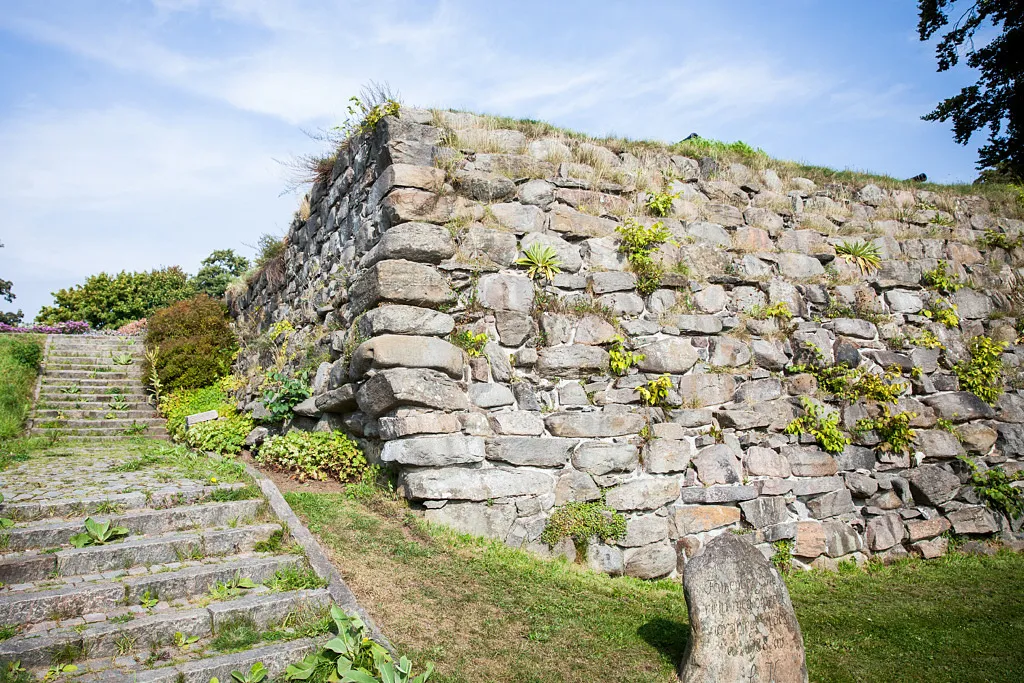
Today, Falkenberg is a calm and charming town, but that was not always the case. The town has experienced its share of wars, attacks and fires. The ruins of Falkenberg Castle stand today as evidence of the town’s dramatic history. The castle of the Danes Near Tullbron’s eastern bastion lie the ruins of the castle called Falkenberg. It was built near the end of the 13th century, right by the river’s last stretch of rapids before flowing out to the North Sea. At the time, parts of Halland belonged to Denmark. For many years, the castle served as the Danish king’s northern outpost. The castle came under siege several times and was finally razed by the peasant army of the Swedish rebel leader Engelbrekt in 1434. Only ruins remain For centuries, the castle ruins and defence ramparts around the castle were left alone, but in connection with the construction of Tullbron in the 18th century, the builders recovered stones from the ruins for building materials. In the 1880s, the Mid-Halland Railway passed right over the castle. As the land on which the railway tracks were being built needed to be flat, part of the castle was demolished. What remains today is the basement of a square tower that constituted the most important building of a larger stronghold. The legend of the Ätra Maiden The story goes that when the castle was razed, there was a maiden - later known as the Ätra Maiden - hiding with the forgotten treasures in an underground hallway. Unbeknownst to the Swedish army, she was trapped down there as the collapsing walls sealed her in. It is said that a rooster now guards the treasures, turning them invisible to anyone searching for them. But, if ever Falkenberg should be in peril once more, the rooster will crow and the maiden will wake from her slumber, revealing the treasure to the people of Falkenberg.
Hindströmsgården

Hindströmsgården

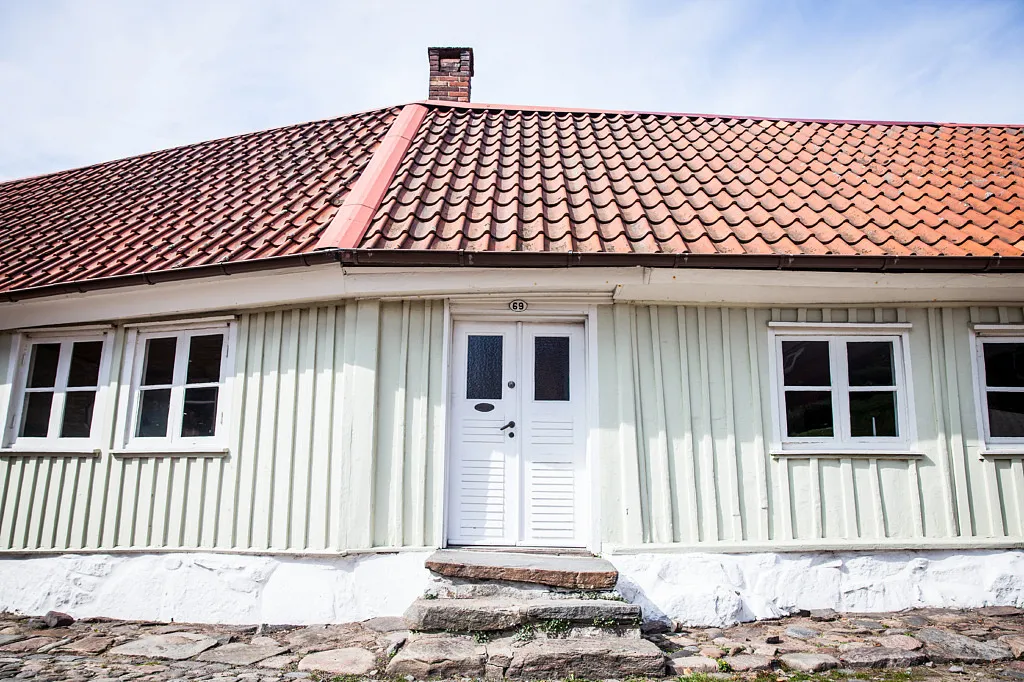
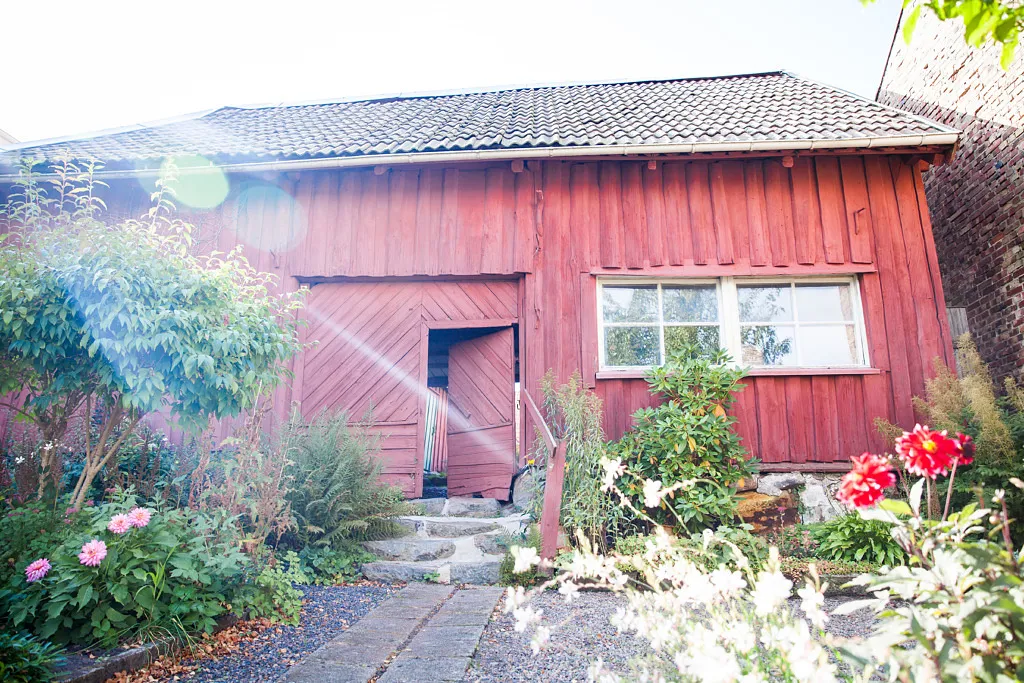
The Hindström farm is the town’s oldest wooden house and has been preserved as a museum. The farmhouse was likely built in the 18th century and has survived all the fires that have ravaged Falkenberg since then. The most charming house on Storgatan Walking along Storgatan, you will notice how the small green wooden house follows the winding street. No one knows when exactly it was built, but we can glean from 18th century census registers that an elderly retired soldier, Julius Wintzen, lived there at the time. The house tells a story The farm got its name from a stove maker, Elof Hindström, who bought half of the farm in 1897. Prior to that, it was simply called “the 69er” in reference to its street address. For a long time, the house remained in the same state as when it was originally built. In the early 20th century, it still lacked running water and electricity, for instance; food was cooked on a tripod over an open fireplace, and the floor was tiled with brick and cobblestone. Preserved as a museum In 1969, Falkenberg Municipality bought the house, which is now part of Falkenberg Museum. The house is used as part of the museum’s school-related activities, but it is also a stop on several city tours.
Badhusparken

Badhusparken

Sit back and enjoy the floral splendour and listen to the running water from the Ätran fountain. The park has 60 trees and bushes as well as 100 different kinds of perennials, meaning that there is something in bloom all year round here. Stroll through the park Badhusparken is located by the old hot-bath house between Gamla Stan and the town centre. Here, you can enjoy all the greenery. Here, there is always something in bloom. There is a train in the park that children can play in as well as lovely green spaces.
Gustaf Bratt

Gustaf Bratt

Countless Falkenbergers and visitors have amused themselves at the Gustaf Bratt entertainment palace through the years. But when the house was built in 1861, its function was actually to serve as a granary for grain that was intended for export abroad. History of the house The granary was built by Anders G. Hellman, who was among the first to start selling grain to foreign countries. Near the close of the 19th century, a total of nine granaries were built in Falkenberg. In the mid-19th century, the Falkenbergers planted pine trees and erected sand traps to deal with the drifting sands that made it difficult to cultivate crops along the coastline. As the fields become more numerous and bigger, foreign exports of oats also increased. Between 1860 and 1865 alone, the amount nearly doubled. The harbour was also expanded, making it possible for bigger vessels to dock at Falkenberg. Gustaf Bratt takes over Following the end of World War II, the building’s granary days were over, and the second floor was rented out to an egg exporter named Gustaf Bratt. Bratt ran a business buying eggs from farmers in the countryside and transported them to the warehouse, where they were packed in wooden crates and shipped abroad. The property served as a warehouse from 1954 to 1969. Restaurant and night club At the end of the 60s, a new type of business was established in the building. The top floor was turned into a disco in 1969. A couple years later, the second floor was also incorporated into the disco, and it remains Sweden’s oldest operational night club to this day. There is also a lovely restaurant here today.
Falkmanska Huset

Falkmanska Huset

Falkmanska is, together with Värdshuset Hwitan (Storgatan 24), Falkenberg's oldest house. The old inn was built by Sören Sörensson, later mayor, whose son Hans Falkman has given the building its name, Falkmanska. The oldest in Falkenberg Falkmanska Huset - or ‘Falkmanska’ - is located in the Old Town and is one of the oldest buildings in Falkenberg. It was built in the early 18th century by Sören Sörensson, who would later become mayor of the town. The building is named after his son, Hans Falkman. The old town inn At the time, the population of Falkenberg only numbered 450 or so. The fact that people still decided to establish inns and taverns in Falkenberg was likely due to competition from the neighbouring towns of Halmstad and Varberg, both of which posed the risk of gradually wiping Falkenberg off the map entirely.
Sjöbergs Laxrökargård

Sjöbergs Laxrökargård

Sjöbergs Laxrökargård was in operation for nearly a hundred years smoking fish and meat. If you get really close to the old wooden facades, you can still detect the smell in the walls. A farm with history The Sjöberg farm is the only urban farm in Falkenberg that remains fully preserved with all its buildings. The long and narrow plot is said to have been inhabited at least since the end of the 18th century. The farm is located adjacent to Storgatan, which dates back to medieval times. It has kept its original form with the main house facing towards the street, as well as an enclosed courtyard that is separated from the farm plot by an out-building. This was how most of the town’s farms looked during the 18th century. Smokehouse for 100 years The name Sjöbergs laxrökargård (Sjöberg’s Salmon Smoking Farm) stems from the Sjöberg family, who bought the farm in the 1830s and smoked salmon here from 1857 to 1955. Agricultural operations at the farm shut down in 1888, when they decided to invest all their efforts on salmon smoking. The smokehouse is located further down the property, near Ätran. If you take a peek inside, you can still see the fireplace where they burned juniper twigs and wood shavings to produce the smoke that gave the fish its distinctive taste. Smoking the salmon was also a way of preserving it. Walking around the town in those days, you would be able to smell the juniper twigs and smoke bellowing from the smokehouse. Preserved for the future In 1971, the municipality bought the farm from its owner at the time, Hildur Borgström. You can just barely spot the façade of the smokehouse from Hamngatan. The building will be renovated in spring 2017 and is not open to visitors.
Falkenbergs Varmbadhus

Falkenbergs Varmbadhus

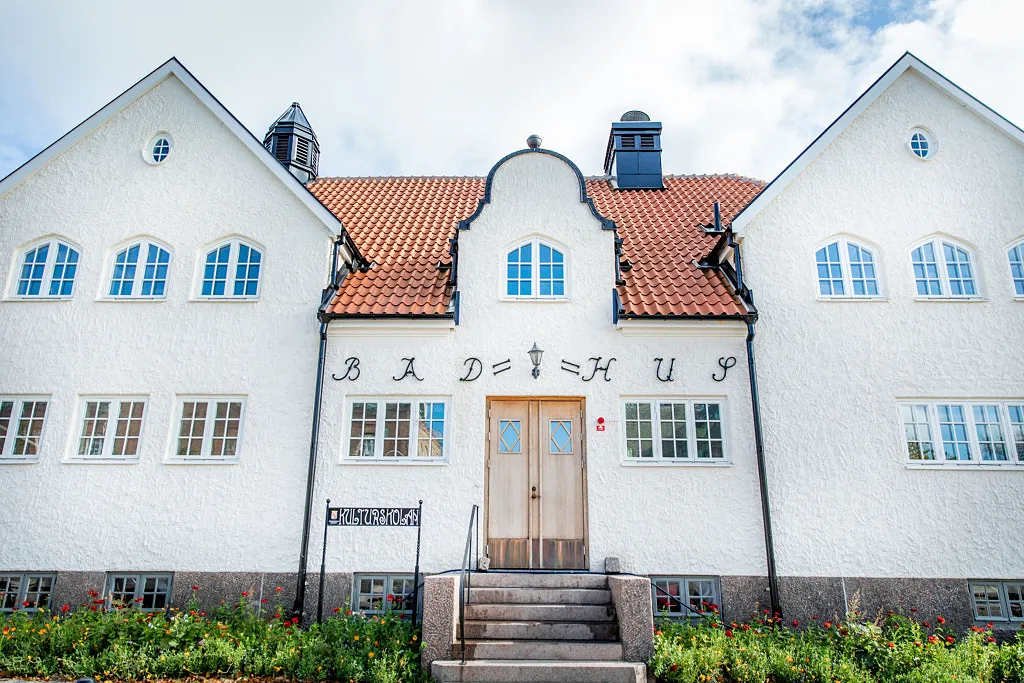
The old hot-bath house in Falkenberg is a beautiful building, with the beautiful exterior is the same as when the building was first constructed in the 1910s. A bathhouse and sauna Falkenbergs Varmbadhus opened to the public in 1915. It was a place where the local townspeople could go to wash and relax in the sauna. During the mid-19th century, an understanding began to emerge that cleanliness, clean drinking water and waste disposal helped prevent disease, which resulted in the building of many bathhouses during this period. Falkenberg’s first spa The bathhouse was open on weekdays, and visitors could sign up for different treatments such as a bath, sauna, soap massage bath and an electric light bath. According to the bathhouse’s brochure from 1915, the “cheap bath” included getting undressed and dressed under the platform, warming up in the sauna, washing and showering/bathing. Visitors were allowed to remain in the bath for an hour at most, and the whole procedure would put them back 35 öre (SEK 0.35). New bathhouse When Klitterbadet was converted into an indoor bathhouse in 1983, the business shut down. The house was turned into a cultural school, and the old basin now functions as an orchestra stage. On the outside, however, the house looks exactly as it did originally.