Nature reserves

Falkenberg is home to an abundance of beautiful nature and wildlife. There are sandy coasts with salty winds and the smell of seaweed, as well as deep and enthralling forests that hide secrets. There is an easy way to find these amazing places: Visit a nature reserve.
Fegen

Fegen

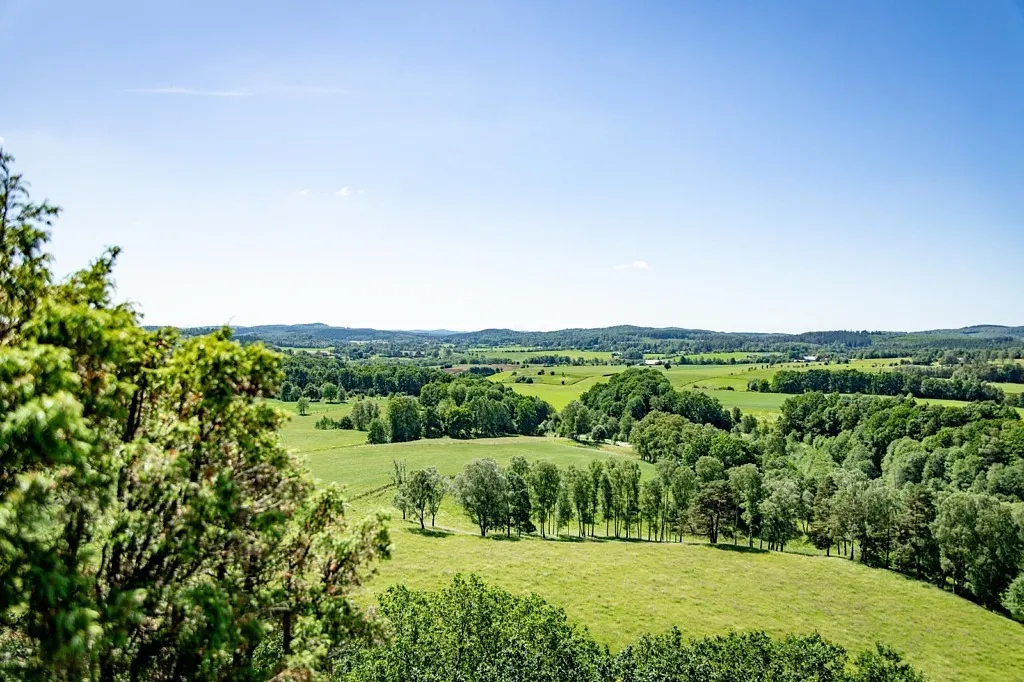
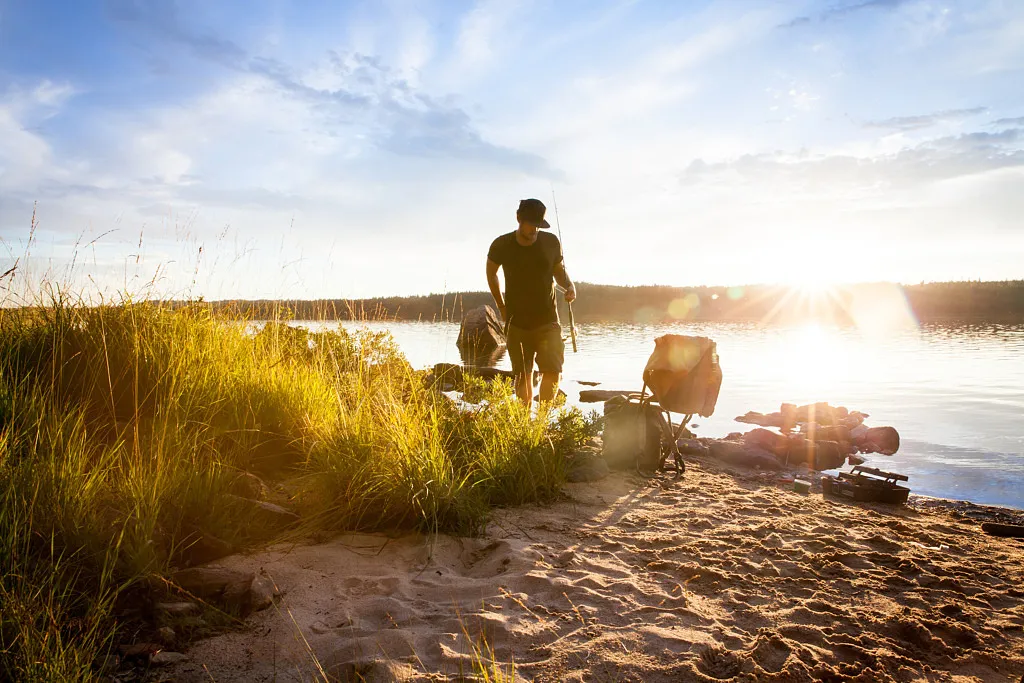
This hidden gem with its beautiful lake scenery is located further inland in Falkenberg. The Fegen nature reserve is part of a larger conservation area that is split across three counties. Welcome You will find your own favourite spot and activity in Fegen in no time at all, whether you enjoy fishing or going exploring in a canoe, or perhaps just going for a swim and/or enjoying the tranquillity as well as the magnificent nature that can be found here. Wide and deep The nature reserve consists of Lake Fegen and its surroundings. The area is located in the border region between the counties of Västra Götaland, Jönköping and Halland and is extends into three municipalities: Falkenberg, Svenljunga and Gislaved. The lake is just under 24 square kilometres in size, making it one of the biggest lakes in southwestern Sweden. It is located in a major rift valley and has a maximum depth of no less than 38 metres. Interesting wildlife It has a population of the spring-spawning vendance fish, which is critically endangered. The lake is also home to at least 16 other species of fish such as whitefish, pike-perch, silver bream and mountain sculpin. You may also be lucky enough to spot the osprey and black-throated diver in Fegen. Both species have several breeding couples in the area, which is also home to other bird species such as the redshank, great black-backed gull, goosander and lots of Canada geese. Things to note about Fegen Allemansrätten - the Swedish right of public access - does not fully apply in the nature reserve. You are welcome to explore the beautiful landscape and lake, which has many small islands and islets to investigate. However, please note that access is prohibited in certain areas and during certain times. Fegen is a protected area for outdoor recreation and preserving the lake’s favourable conditions for fish and birds. Fegen map (English) Fegen karte (Deutsch)
Frodeparken

Frodeparken

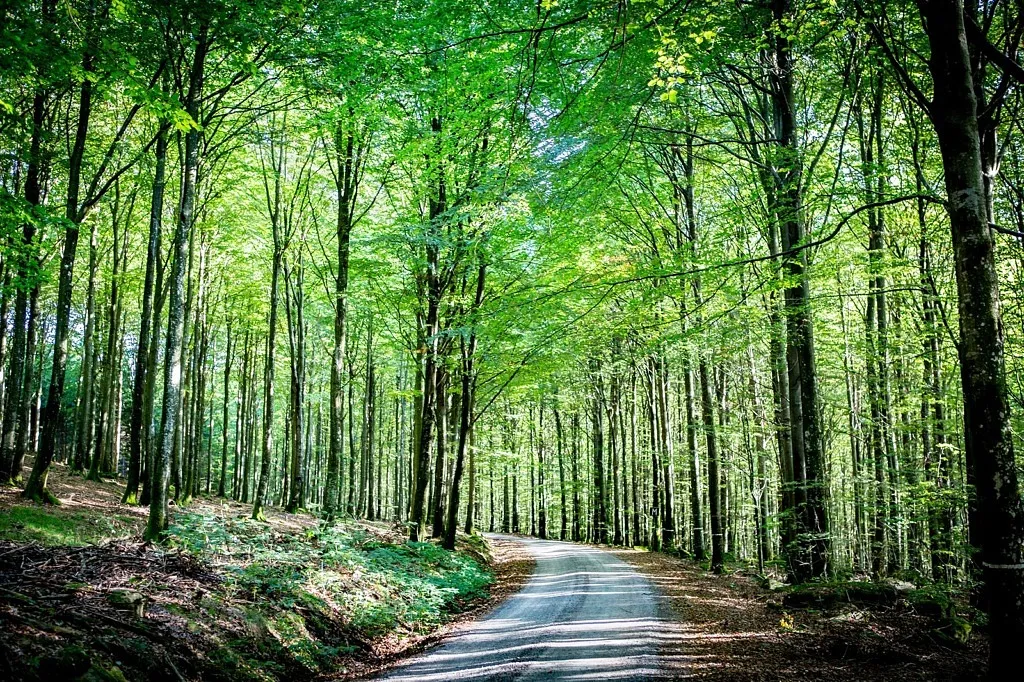
There’s something special about beech forests. They are so big and majestic. Leafy tunnels with green roofs and carpeted in beech leaves. Frodeparken in Asige is just such a place and is perfect for chilling out or just being. Take a trip This imposing beech forest is a nature reserve and is located around 30 minutes’ drive from central Falkenberg. There’s loads to explore here for big and small alike. The Hallandsleden trail runs through Frodeparken, making it super easy to go walking here. Taking a buggy is not as easy, however, as there are many fallen trees throughout the reserve, including some covering the path. Picnic area There is a great lean-to in Frodeparken located along the Hallandsleden trail, a great place for taking a rest and barbecuing. Park your car nearby and just follow the super child-friendly forest trail all the way to the lean-to. There is also an excellent play area here. A facinating history In the forest you will find small cairns left behind from work that was done more than a thousand years ago to make the ground arable. At the northern end of Frodeparken you can walk the road to Kungsrör. There is a Bronze Age grave field at the summit. The largest cairn is called King Frode’s Grave where King Frode is said to be buried. About Frodeparken In the 1600s, Frodeparken was part of a larger area of beech forest that was still intact in the 1800s. There are beeches of all kinds here: young and old, living and dead. The forest is a sanctuary for a number of endangered species and some 30 rare organisms have been found in the area. Rough coordinates: Frodeparken 56.85953, 12.84188 Lean to 56.86315, 12.82860 King Frode’s grave 56.86357, 12.84137
Digesgård

Digesgård

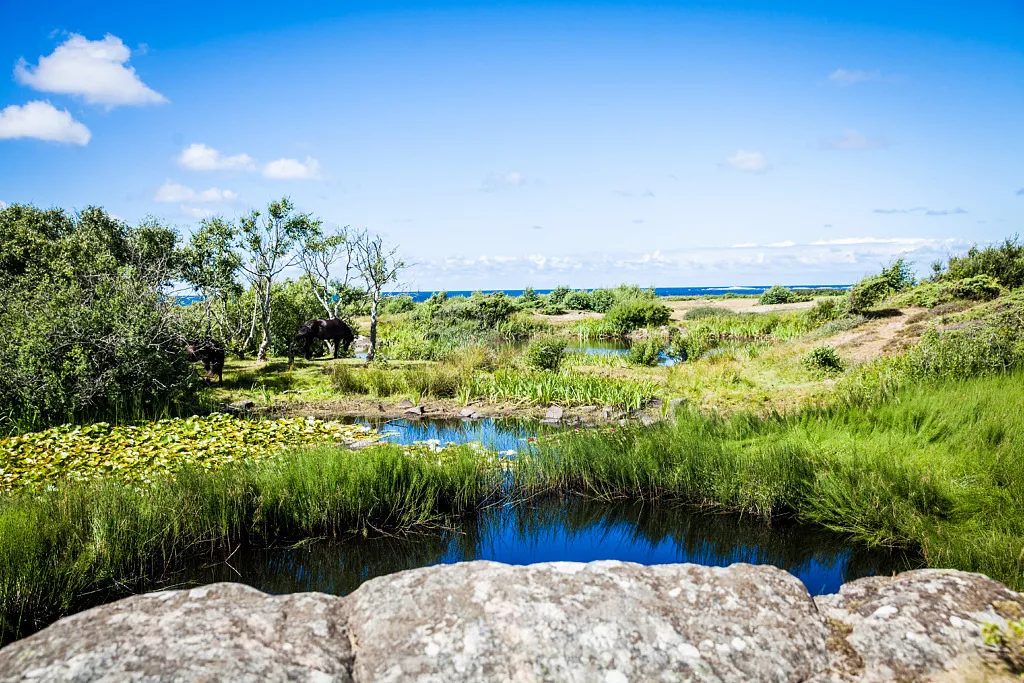
Just north of the beautiful sandy beach in Glommen lies the Digesgård nature reserve. The open beach meadows are home to a thriving ecosystem of birds and plants. Welcome The nature reserve consists of an open landscape with flat beaches and shallow waters off the coast. The beach meadows are dominated by tall grass such as lyme grass as well as reeds in the wetter areas. Other plants that can be found here include breckland thyme, hawkweed, sea thrift, sea sandwort, sand sedge and sea wormwood. The meadows also contain short, wind-pruned juniper and blackberry bushes. An old quarry The reserve is also home to Pannabohålan, three ponds which are the remains of a stone quarry. The stoned was mined here in the 1910s in connection with the construction of Glommen harbour. Water reservoirs such as these are crucial to a lot of plants and animals. For example, there are large and small salamanders that make a home for themselves in the pond cavities during the spring. During the summer, several different species of dragonflies can be spotted gliding over the water.
Steningekusten

Steningekusten

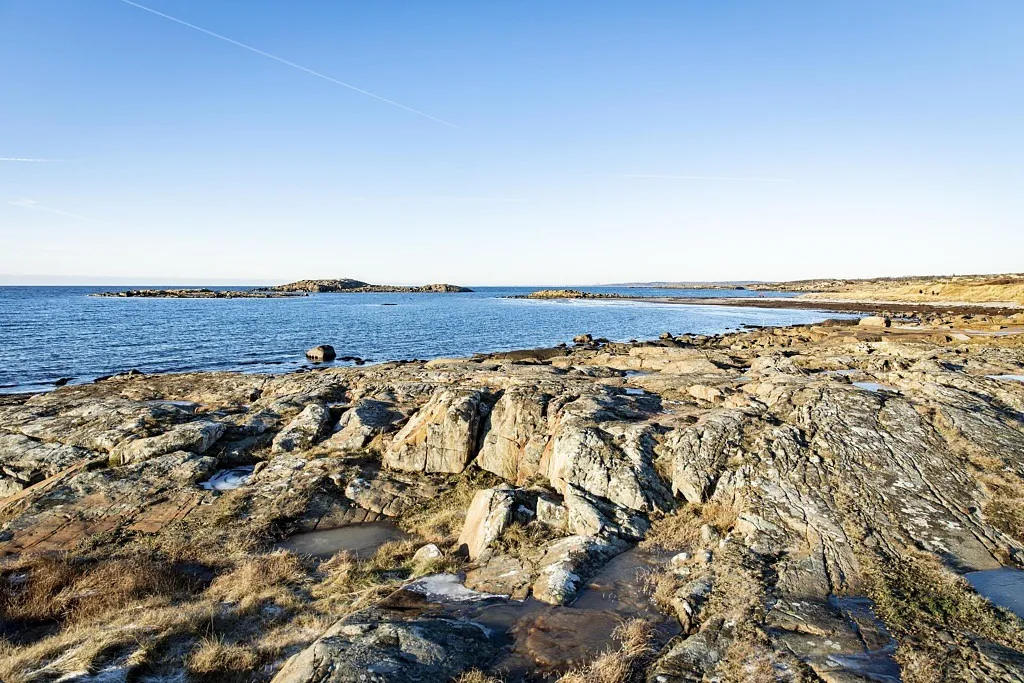
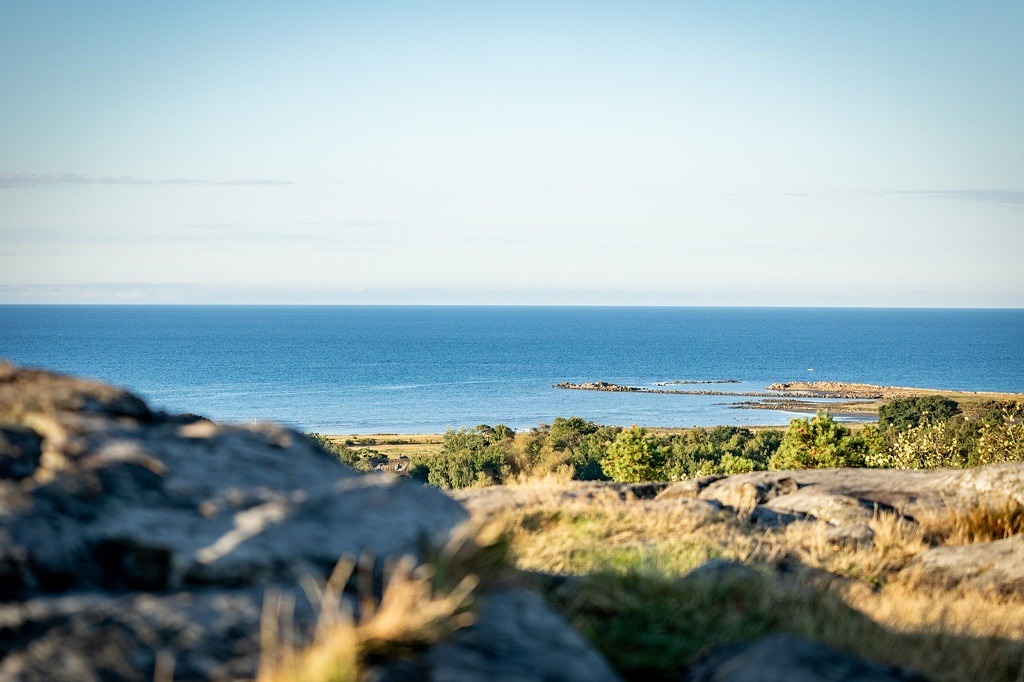
If it’s magical sunsets you’re looking for then you’ve come to the right place. Pick out your very own clifftop and set yourself down on the first parterre. Follow the sea and roam over the cliffs, grassy dunes and moorland. Enjoy the sea The Steningekusten nature reserve stretches from Stensjöstrand to Steninge and is situated in both Falkenberg and Halmstad municipality. Here, you can take a long walk through the bare but beautiful landscape. In the north of the reserve you will find a wide gravel path that you can even take buggies and wheelchairs onto. There is also a small marina. Along the coast you will find cliffs for climbing and sandy beaches for swimming. Finding a private spot for this summer’s best picnic is easy. Old stone quarry The area around Steninga is rich with stone fron the end of the 1800s up until the First World War. The stone is used for paving roads. The area has been used as a pasture for centuries. Today, you can see Icelandic horses in the north of the reserve, while sheep are kept in the south. Wildlife If you fancy some birdwatching then you should head north and direct your gaze towards the Fågelholmarna (or Bird Hills). This is a special conservation area for birds where water birds such as eider ducks, common gulls, herring gulls and great black-backed gulls all nest. You will also find five of Sweden’s six protected species of reptile living here among the cliffs and the rocks: the smooth snake, the European viper, the grass snake, the slow worm and the common lizard.
Ullarp

Ullarp

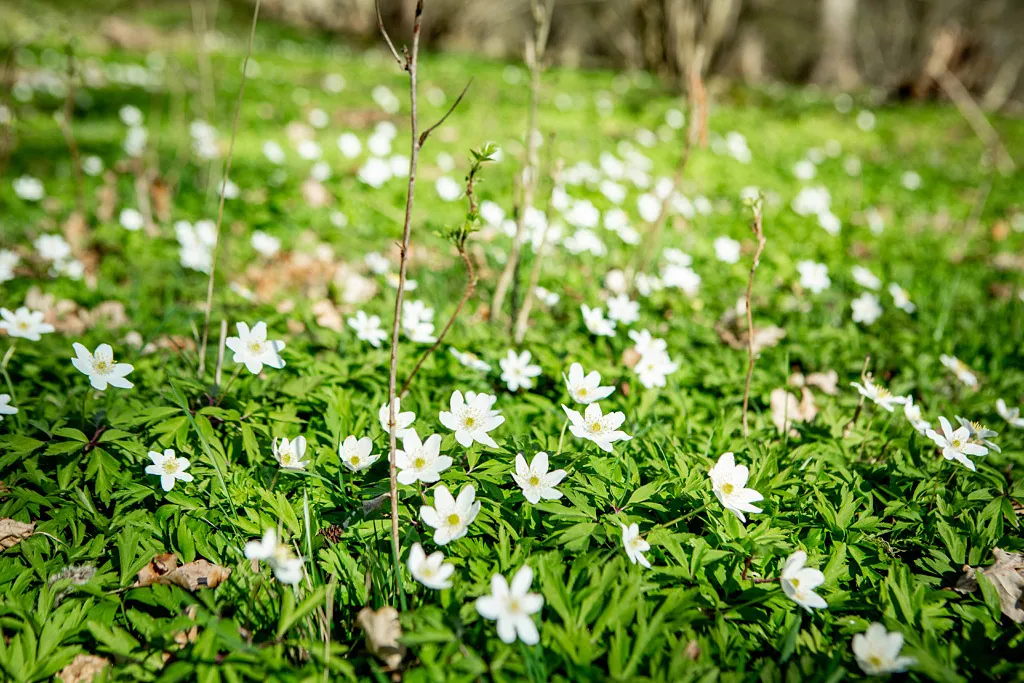
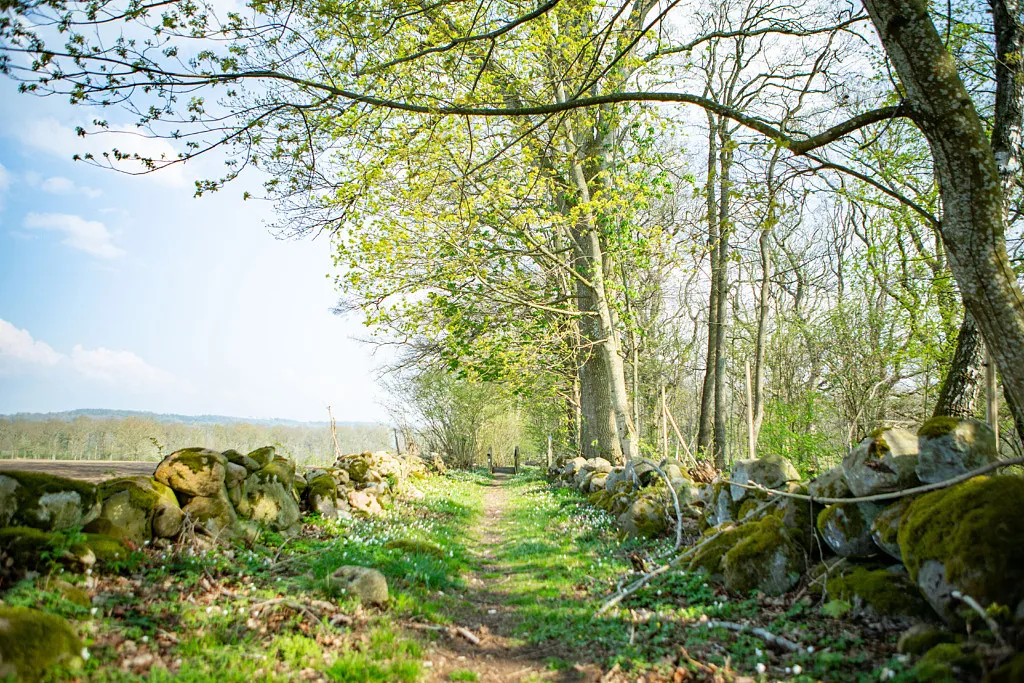
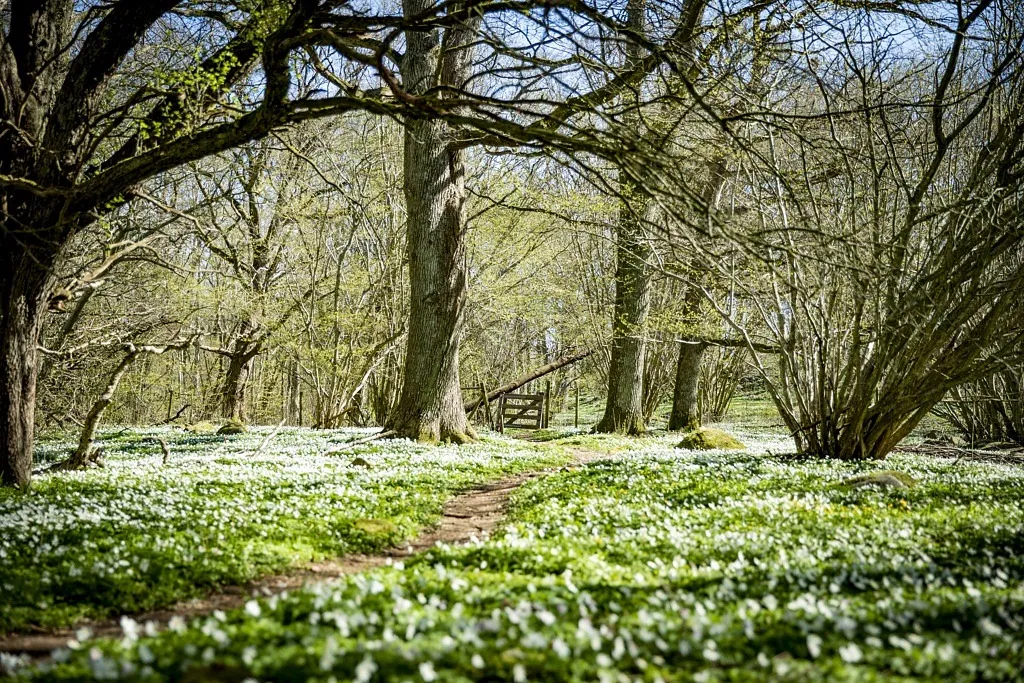
Ullarp is a perfect location when you want to make a small and simple excursion out in nature. Take a short walk and a coffee break among the mighty oaks and beautiful bird songs. Welcome The car park is located right along the coastal road between Falkenberg and Halmstad. Here you will also find a picnic table. However, you should rather take your picnic basket, walk along the beautiful cow path and sit down on the fallen trees a bit further down in the reserve. This is a bright, open place beautifully framed in by large oaks. The area was once used as pasture and meadowland, and there is still a struggle to maintain the diversity of plants that otherwise would be choked out by high grass and herbs. Take a Walk There is a marked hiking path measuring just over one kilometre through the forest. You get back to the open location and then the path goes back to the car park again. Wood Anemones and Bird Songs Pay a visit to Ullarp in the spring when the ground under the giant oaks is covered by a carpet of wood anemones. Among the lively choir of small birds heard in the spring are the black cap, garden warbler and nightingale. Here bloom the butterfly orchid, bitter fetch and devil's-bit, and on the old oaks grown unusual lichens.
Morups Tånge

Morups Tånge

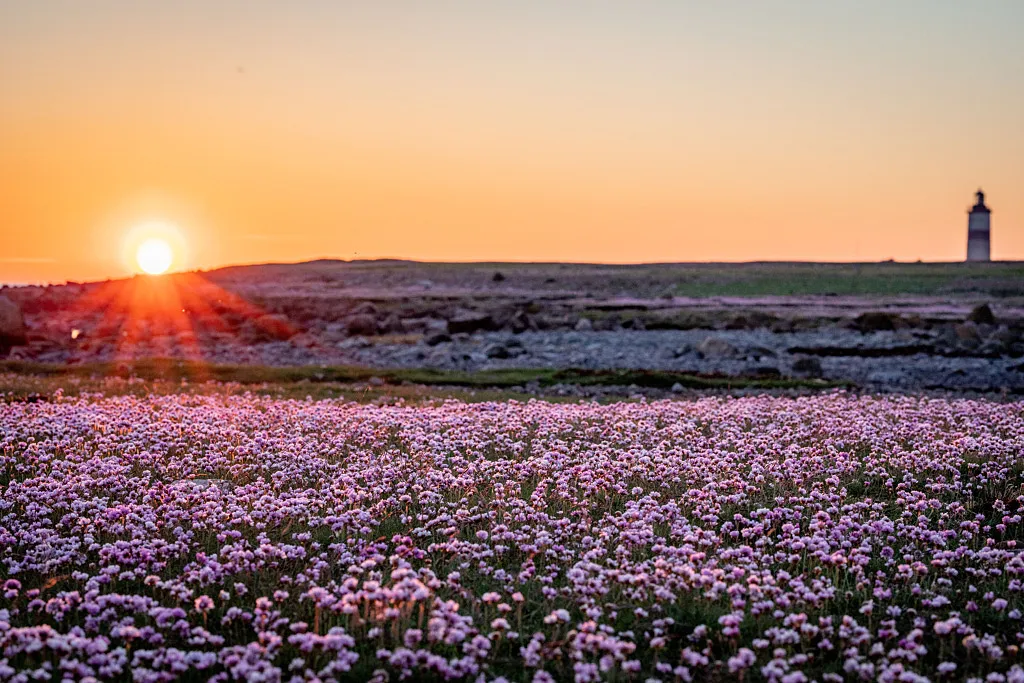
Morups Tånge is a beautiful nature reserve with an abundance of wildlife just south of Glommen. Both birds and people come here to relax and enjoy the peaceful nature. Take a break and enjoy your front row seat to the ocean view. And don’t forget your binoculars! Welcome You get to Morups Tånge through a series of winding roads. The majestic lighthouse can be seen from far away. Before you arrive at the parking area, you will have to stop and open the gate. This is because there are horses and cows that graze and roam freely in the beach meadows to keep the landscape open and accessible. The nature reserve is one of the most beautiful bird habitats in Sweden. It is an important resting place for many of the country’s migratory birds, and approximately 280 different species have been spotted here. A spellbinding experience by the sea Morups Tånge is a lovely place to go for an excursion no matter the time of year, where you can go exploring around the lighthouse and over the heaths. There is signage that indicate areas that are off-limits to keep humans from disturbing the local bird life. In the summer, you can enjoy the breathtaking view of the sunshine on the rippling ocean waves and stunning sunsets. In the winter, you can experience nature’s spectacle accompanied by salty winds and the smell of seaweed. About the lighthouse The lighthouse at Morups Tånge was built in 1841 and is 27 metres tall. In the 1930s, the lighthouse was modernised with electricity. The lighthouse is still in operation to this day, shining its light across the Kattegat strait, but has been unmanned since 1962. If you visit the reservation during the International Lighthouse Day in August, you can go all the way up inside the lighthouse and enjoy the view of the surrounding area. It is usually also open to visitors on a few occasions over the summer. You can follow the life of the lighthouse on Twitter and Instagram on @TngeFyr
Bergs Nature Reserve

Bergs Nature Reserve

The only thing you can hear here is the babbling of the brooks, the chirping of birds and the wind blowing through the trees. Go for a serene walk through this impressive primaeval forest. Welcome After travelling on a gravel road leading deep into the forest, you get to the car park. This is the point at which you leave civilisation for a moment. A well-marked path of just under two kilometres runs through the reserve so you can be safe in knowing that you will not get lost. Essence of the Forest Old beechwood and coniferous forests grow here. The dense forest is impressive, and there are individual branches that are up to 40 metres high. No felling of trees has taken place here, so fallen trees remain and are covered by moss. The nature reserve is perhaps the closest thing you can get to a primordial forest in Halland. This location is rich in plants and animals. Here there are plants and animals that do not thrive in silvicultural areas. In particular, hole-nesting birds do well and there is an interesting and valuable lichen. Here you will also find traces of Storm Gudrun from 2005. The dead wood now forms important vital environments for a number of species, but keep in mind that it can be dangerous to be at the large uprooted stumps. Take waterproof shoes The area is located in an elongated slope down toward Ätran. The nature here is characterised by the high amount of precipitation, just under 1000 mm per year. So mind your feet since it is going to be a bit wet and the path crosses some small streams in several parts. If you plan a picnic, you should keep in mind that there are no tables or benches.
Vesslunda

Vesslunda

The nature in Vesslunda stores many surprises. If you decide to explore the entire reserve, you will encounter sandy beaches, heather-draped cliffs and pine forests. There are several lovely observation decks that give you a front row seat to the ocean view. Welcome Vesslunda and its soft sandy bays is located just south of the Suseån estuary. You enter the nature reserve either from the parking area at the estuary or from the parking area by the beach in Långasand. You can also go swimming off the cliffs or at shallow sandy beaches. There are several paths you can follow that lead you to beautiful outlook spots. Sand, cliffs and pine forests The reserve is characterised by the Garnbjär and Boabjär mountains. However, there are also some impressively big sand dunes, some of which reach almost 10 metres in height. The sand dune formations are primarily the result of open and windy conditions during the 18th and 19th centuries. During this period, the encroaching sand became a problem for local farmers. They decided to plant pine trees on the open sandy fields, which is why such big portions of Vestlunda are covered with pine forests today. Go fishing in Suseån In Suseån, there are plenty of migratory fish species such as salmon, trout, freshwater lamprey and sea lamprey, but also other species such as perch, pike and roach. If you want to go fishing, you will need to buy a fishing licence through IFiske.se. Click here!
Vinberg Nature reserve

Vinberg Nature reserve

Dense greenery alternates with open areas, nice and practical paths but at the same time also overgrown and rainforest-like. Vinberg's nature reserve is exotic yet accessible. It's a perfect destination for a family outing when you want to enjoy the sun fluttering through the treetops and adventures along the winding Vinån river. (more…)
Grimsholmen

Grimsholmen

Located along the scenic coastal road south of Falkenberg, Grimsholmen is a must-see. At Grimsholmen, you can roam freely in nature, rest on the cliffs or go swimming in the bays. Welcome The open landscape by Grimsholmen consists of beach meadows, heaths, cliffs and pine forests. There are grazing cows and sheep in the area that make sure that is remains accessible. Here, you can go exploring to your heart’s content or take a stroll along the dirt road leading down to the sea. Boathouses, tools and a little harbour point to indications that people fished here. The area is also home to a number of Bronze Age relics such as cairns and stone circles. Enjoy the sea The reservation has plenty of cliffs, but also a number of small sandy beaches that are great swim spots and fun for the children to explore. You may even find a beach that you have all to yourself. There are tables and benches at the parking lot, but we recommend that you bring your packed lunch with you to one of the taller points in the nature reserve where you will have a far better view. You may even be able to make out Marsten, a collection of barren islands far off the coast. Nature A large variety of species of birds thrive in this nature reserve and look for food in the shallow bays south of the headland. It also has the typical beach meadow flora one might expect, along with a handful of rarer species.
Yttra Berg

Yttra Berg

Here will you not only find beautiful nature, Yttra Berg is a place full of history. You will find plenty of traces of times long past and of the generations that have worked the land and formed the landscape. A small farm museum tells of life on the farm.   Welcome At Yttra Berg, you will encounter an old-fashioned landscape, with pruned trees, meadows, cultivation terraces and cow paths. This is an outing for the entire family. Choose a walk that is just long enough for you; you will be amazed by the beauty of the landscape. Let your children run around on the old farm yard and learn more in the museum. There are picnic places both at the car park and at the farm. WC facilities can be found at Aronsgården. Museum at the Farm aronsgården, located in the middle of the reserve, dates back to the 17th century and is owned by the Swedish Environmental Protection Agency. The farm house that stands there now is from 1818. The unpainted barn was moved to Yttra Berg from Sjöred in Abild in 1992. Here inside, there is a small museum with an exhibit on the nature and culture of the location and about the the farming tasks of the past. In a listening studio, you can hear stories from the region. The museum is also open, the lamps turn on automatically when you step inside. Four Nature Paths Here you can walk along four well-marked nature paths that vary in length from one to two-and-a-half kilometres. Along the way, you will learn about the natural value of the location, as well as its cultural history. You can find your way around with the help of the brochure available at the information board at the car park and in the farm museum. Old Traces The agricultural landscape is largely preserved from the period before the turn of the 19th century. It is both hilly and stony, which meant that generations of farmers had to adapt to the terrain. Virtually every possible surface was cultivated. The landscape is in fact one of the county’s (and country’s) most prolific with regard to ancient arable land. The Gällared rural culture society currently tends to the lands in a traditional manner. For example, a yearly hay-harvest festival is help with well-sharpened scythes and filled coffee baskets.
Smörkullen

Smörkullen

Welcome Climbing Smörkullen is a fun adventure for grown-ups as well as children. When you make it to its peak, you will find yourself 52 metres above sea level and with a magnificent view of Falkenberg. The Smörkullen nature reserve is a lovely excursion point for the whole family thanks to its ideal combination of nature and fun experiences. There is a parking lot just by the road. Head to the top There are three paths leading up the hill. The one right by the parking lot is the steepest, while the other two are less challenging. The paths are well-maintained and easy to follow. Children should have no problem making it to the top - in fact, they will most likely find it exciting, especially the last stretch where you have to climb wooden ladders. Once you make it to the top, you enjoy the packed lunch you hopefully brought as well as the amazing view. A fascinating history Smörkullen was once part of a chain of beacon hills along the coast. The signal fires served as a kind of alarm system that could quickly alert the entire countryside to encroaching danger, such as raiders. It has likely also been a site for the mythical practice of ättestupa, where elderly people were said to have thrown - or been thrown - to their death, as well as a sacrificial site. Additionally, an amazing discovery was made on the top of the hill in 1859, when a golden bowl from the Bronze Age was unearthed. At Smörkullen, you can also find old Nordic rock carvings known as bowl hollows. The bowl hollows are where Smörkullen gets its name from - Butter Hill in English - as it was once believed that people once sacrificed fat in the bowls.
Ullarp

Ullarp

Ullarp is a perfect location when you want to make a small and simple excursion out in nature. Take a short walk and a coffee break among the mighty oaks and beautiful bird songs. Welcome The car park is located right along the coastal road between Falkenberg and Halmstad. Here you will also find a picnic table. However, you should rather take your picnic basket, walk along the beautiful cow path and sit down on the fallen trees a bit further down in the reserve. This is a bright, open place beautifully framed in by large oaks. The area was once used as pasture and meadowland, and there is still a struggle to maintain the diversity of plants that otherwise would be choked out by high grass and herbs. Take a Walk There is a marked hiking path measuring just over one kilometre through the forest. You get back to the open location and then the path goes back to the car park again. Wood Anemones and Bird Songs Pay a visit to Ullarp in the spring when the ground under the giant oaks is covered by a carpet of wood anemones. Among the lively choir of small birds heard in the spring are the black cap, garden warbler and nightingale. Here bloom the butterfly orchid, bitter fetch and devil's-bit, and on the old oaks grown unusual lichens.
Suseån-Hult

Suseån-Hult

Stroll among the trees and sit yourself down at Suseån’s winding rapids. And you will probably have this peaceful place all to yourself. Welcome The Suseån-Hult Nature Reserve is a perfect outing for getting close to nature in an easy way. At the car park, you go through the gate and a short distance forward to the stately oaks. There is no marked-out path, but you can easily get around in the reserve. However, prams need to stay in the car. Go exploring For children with a spring in their step, there are steep hills to climb and fallen trees to climb over. However, watch out for the cow dung. Here, the animals keep the landscape open. Follow the slope down towards the rushing Suseån, stroll a bit along the river and enjoy a pack lunch here. Bring along a picnic blanket, sincere there are no tables or benches. Animals and Nature Suseån is one of the country's most interesting rivers with its rich plant and animal life. The flowing waters are home to fish such as salmon and sea trout, as well as birds such as dippers, grey wagtails and kingfishers. The ground consists of a leafy oak grove with a rich moss and lichen flora. You will also find the majestic royal fern growing here.
Floastad

Floastad

If you are looking to have a picnic with a breathtaking view without have to carry your picnic basic too far, Floastad is a perfect destination. Come visit in the autumn when the landscape is alight in a multitude of colours, or in the spring as the hepatica are blossoming. Welcome Floastad can be tricky to find. Follow the signs toward Sumpafallen, but continue past and soon on the left are some signs for which you need to look. Park here, and then walk through the bright and stroll-friendly deciduous forest. Follow the path leading up to Skrabbabjär, which is its the highest point (105 m above sea level). It is not especially far to walk, so small children can certainly come along. Beautiful Views From the top, you have a magnificent view over Svartrå. The mountain slopes steep downhill, so be careful when walking here. You walk the last part up toward the top along an old stone staircase. Be careful here too, since the stairs can be slippery. They say that the mountain was once used as a ritual precipice in times past. Spring and Autumn Pay a visit to Floastad in the autumn in order to see a colourful landscape from the lookout point. However, the spring, before the deciduous trees have turned out completely, is also a good time to visit. That’s when you can see the protected hepatica poking out from between the previous year’s leaves. The bedrock in Floastad has elements of basic greenstone, which makes vascular plants such as hepatica and black baneberries thrive here.
Sumpafallen

Sumpafallen

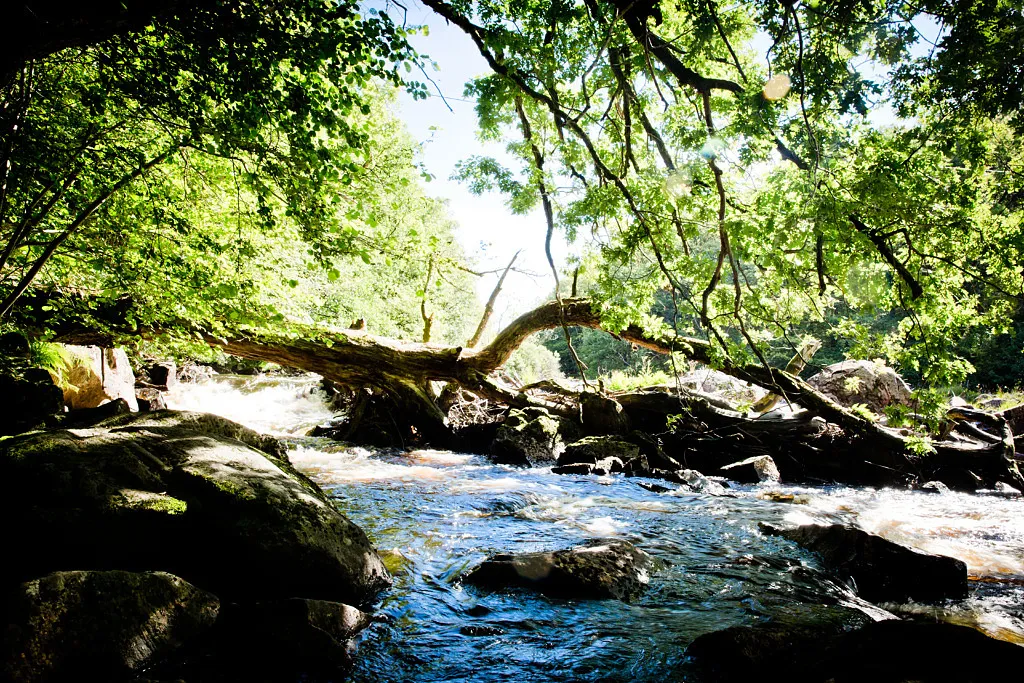
At Sumpafallen, you can stroll along the rapids or into the beautiful forests. The nature reserve is an extremely popular destination for excursions. There are plenty of picnic tables here, so be sure to pack a lunch and enjoy a quiet moment in peaceful scenic surroundings. Welcome A narrow dirt road takes you directly to the nature reserve’s parking area. There are plenty of tables and benches here if you want to start your excursion with a picnic. Please be sure to close the gate again when you enter. There are grazing animals in the reserve whose role is to keep the landscape open, which also benefits many other species. Follow the path down the slope, and it won’t be long until you can hear the roaring of the rapids. The rapids are part of the Högvadsån river, which is known for its clear waters and salmon that can be seen leaping out of the water. Beautiful nature The ravine is surrounded by pastureland and oak plantations. It can almost feel like a magical place in the spring when the white wood anemones bloom and cover the fields like winter snow and a soft fog hangs over the water. The river is home to salmon as well as trout and freshwater pearl mussel. In the forest, you will hear the telltale birdsong of species such as willow warbler and finch every year, while the dipper keeps to the rocks out in the water. A lot to discover At the rapids, you can have a picnic on one of the many tables and benches. There is even a barbecue area that you can use. There are also some interesting ruins of the Sumpa mill, which is mentioned in historical accounts as far back as the end of the 18th century. An approximately 2 km hiking trail snakes along Högvadsån and eventually follows the road back to the parking lot.
Bengtesgårds äng

Bengtesgårds äng

This nature reserve is home to a collection of mighty oaks and big hazel bushes within the beautiful deciduous forest. Take a stroll through the trails in the nature reserve and enjoy the beautiful sights it holds. Children are guaranteed to have fun climbing “the mountain” or the giant rock. Welcome Bengtesgårds äng (Bengtesgård meadow) is a lovely and easily accessible destination for an excursion. At the parking lot, there is a dirt road on which you can walk to the nature reserve. The parking lot also has an open area with tables and benches. The terrain is accessible for strollers as well, so the whole family can join in on the picnic. There are also well-trodden paths around the reservation that area easy to follow. There is also a small toilet along the trail. The nature reserve is particularly beautiful in the spring when the fields are covered in a white blanket of wood anemones. A meadow with a long history Bengtesgårds äng is one of the few remaining protected hay meadows in Halland. The reserve is reminiscent of a historical landscape from a time where haymaking played a key role in farmers’ livelihoods. The area has been maintained with a scythe for a very long time. In the mid-19th century, the field was no longer used for haymaking and instead became pasture land. When it ceased to be used as pasture land after a century or so, the meadow grew back, but when the nature reserve was first established, the traditional maintenance was resumed in the eastern part of the reserve. The reserve has signs that go into detail about how the land has been used over the years and which plants and birds can be found there. A lot to discover The nature reserve has a number of impressive oak and ash trees as well as an abundance of hazel. Bengtesgårds äng has a rich bird life with around 20 breeding species in the reserve, including the tawny owl, wryneck and tree creeper. There are also several ancient fields scattered about the nature reserve. These ancient fields are clear of stones and smooth and were used for cultivation, many as far back as the Bronze Age.
Beaches

Beaches

Falkenberg is the right place for anyone who loves the sea. 13 kilometres of sandy beaches and an even longer coastline with cliffs, pine forests and beach meadows. You’ll find some of Halland’s best beaches here.
Björkekullen

Björkekullen

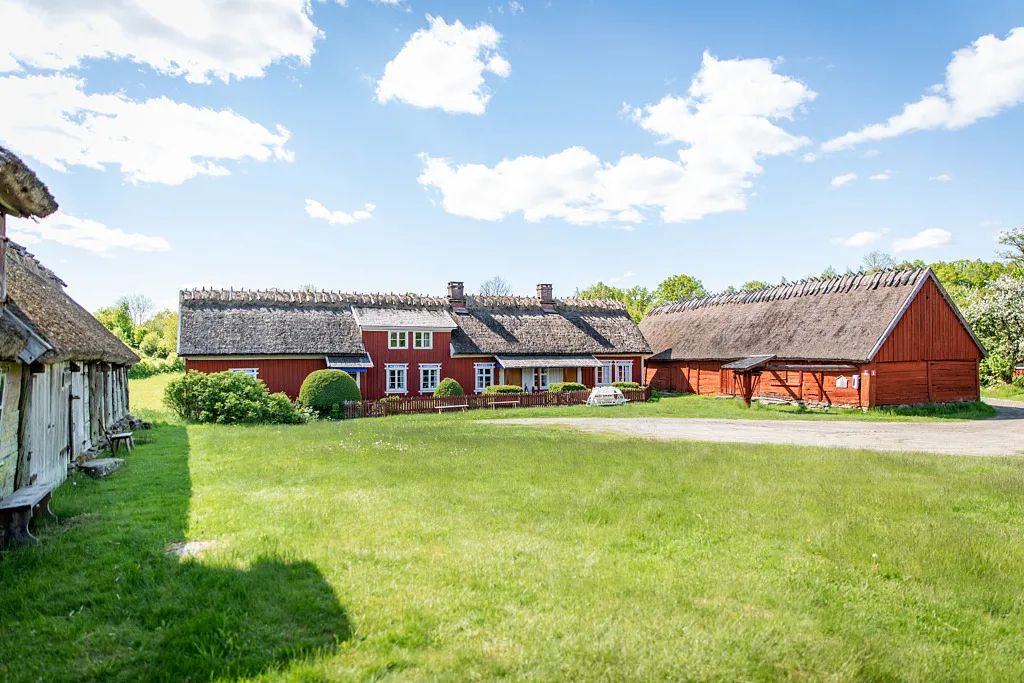
Want to experience a place that feels like it’s been plucked from an Astrid Lindgren story? You know, the classic Swedish farmland vista. A red croft cottage, a roundpole fence and a gravel path warmed by the summer sun, all surrounded by the purest green. Then pack a picnic basket and get yourself down to the Björkekullen nature reserve. A great place for curious types Björkekullen is an old croft cottage where you can walk around and check out the buildings and the farmland. The ground here is very stony and generations of farmers have created an imposing system of roundpole fences, terraces and cairns here. We usually start our trips to Björkekullen by walking around the houses where there’s plenty to see and talk about: what the functions of the different buildings were and how tough it must have been building up the large stone walls. Take a dip Follow the gravel path down towards Björkasjö lake and you will reach a delightful little swimming hole with a sandy bottom. You can also barbecue here in designated areas and we usually take the time to fika here. A longer hike If you want, you can walk around the entirety of Björkasjö Lake. The 5.5 km lakeside loop takes in the system of hiking trails in Åkulla beech forest. This path is not buggy-friendly and is only suitable for children aged 7 or older. We made it round with kids in around two hours. Björkekullen is a great destination all year round, but is perhaps best in summer if you fancy taking a dip in the lake.
Natural attractions

Natural attractions

Venturing out into nature is always a rewarding experience, and sometimes it can be a truly memorable one as well. Have you seen the bubbling waters at the Höstena spring? Here are some tips on fun nature excursions in Falkenberg.
Guided nature tours

Guided nature tours

  Ingemar Alenäs an ecology consultant and takes small groups on guided tours into nature to see, listen, experience and learn from it. Learn about animals and nature Ingemar Alenäs has many years’ experience in environmental and water matters, working for municipalities, county councils and the Swedish Environmental Institute. Ingemar has worked on the Ätran and Herting Project for the past 25 years. Take your work group, school class or association on an excursion to experience nature through the eyes of an ecologist. Examples of guided tours:   Hertingforsen with salmon, trout, eel, lamprey and other interesting species of fish The Herting Project - a unique project. How was it made feasible? Lakes and water in the natural cycle The meadowlands with butterflies and other wildlife experiences Birdsong in your or my natural forest Coastal beaches with sand and beach finds The experiences are designed by nature, so be prepared for surprises! We are happy to bring some coffee and pastries as well as a positive mood with us, but we leave stress and media behind for a couple hours as we venture into lush and beautiful nature The specifics of the guided tours are determined according to your wishes. You are welcome to contact ingemar@alenas.se for more information. Photo: Ingemar Alenäs